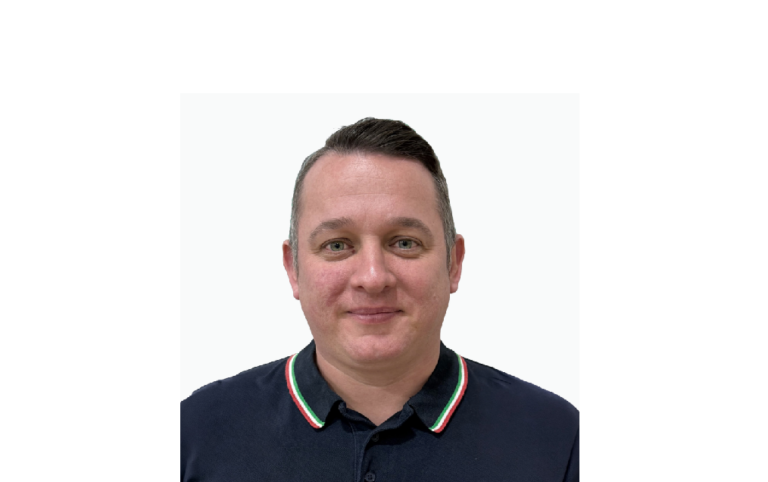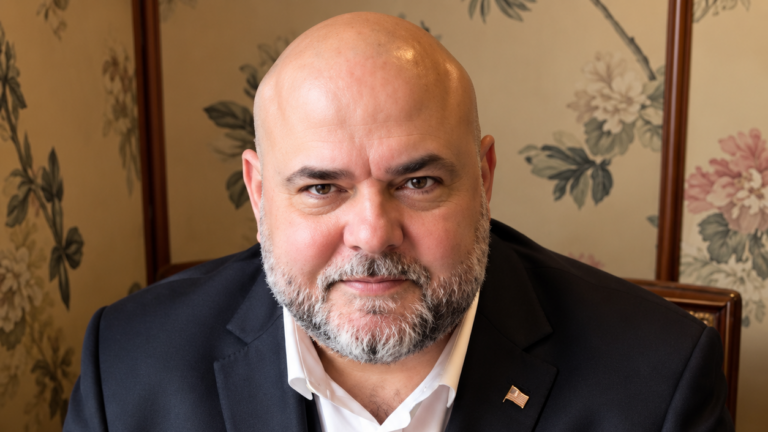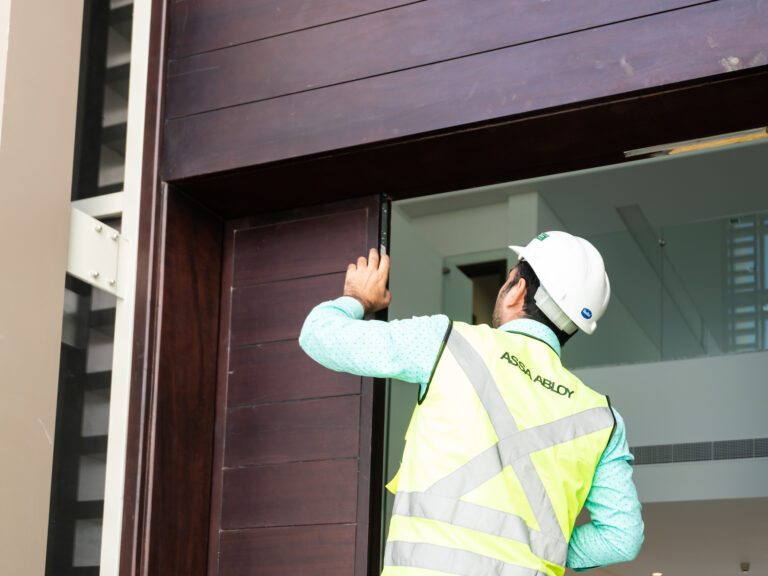

As ATG Access marks 35 years, Managing Director Richard Ellis reflects on the evolution of hostile vehicle mitigation and the future of integrated, intelligent security.
Please introduce yourself and your role at ATG Access
I’m Richard Ellis, Managing Director of ATG Access, a global leader in hostile vehicle mitigation (HVM) and intelligent physical security solutions. I’m also a Fellow of the Chartered Institute of Building, with more than 30 years’ experience across the construction and built environment sectors.
For over three decades, ATG Access has designed, tested and manufactured high-performance physical security solutions that protect everything from private homes to critical national infrastructure, from city centres to globally recognised sites. Today, our solutions are deployed in more than 50 countries.
ATG Access has reached an impressive 35-year milestone. Looking back, what would you identify as the defining moments that have shaped the company’s journey and position in the market today?
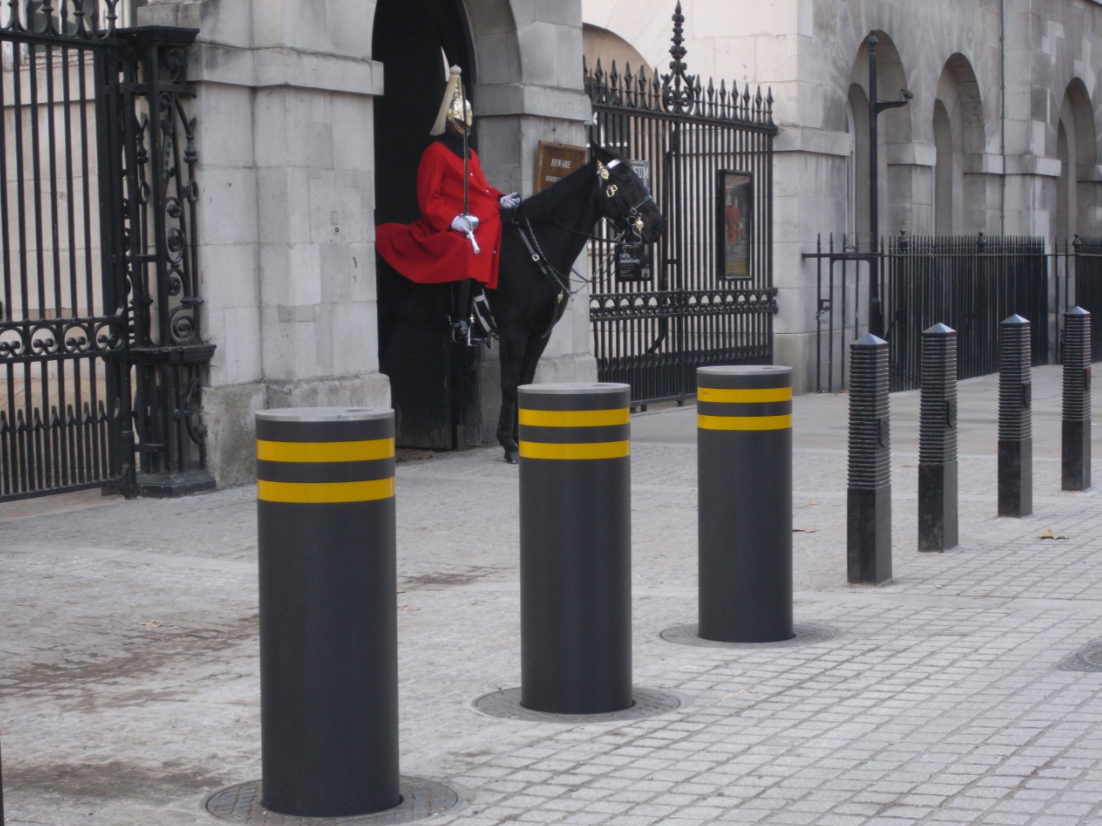
Reaching 35 years gives you perspective. One of the earliest defining moments was our transition from manufacturing driveway security bollards to developing access control bollard systems for public highways. That shift moved us into far more complex environments where safety, aesthetics and usability all had to coexist. ATG Access was the first company in the UK to gain Department of Transport Approval (DETR), now known as Traffic Open Products and Specifications Approval (TOPAS), for our automatic bollards in 1998, allowing them to be installed on the public highway for the first time. This required a very high degree of safety monitoring to ensure the systems worked safely and reliably, which has become a cornerstone of the ATG Access design philosophy.
Another key step change came with the introduction of formal impact testing. In the early days, there was little objective data on how vehicle mitigation would perform in real-world scenarios. ATG played a pivotal role in addressing this gap, delivering the first automatic bollard to be successfully impact tested in the UK to recognised standards. This achievement marked not only a milestone for ATG, but also a defining moment for the UK security sector, helping to establish it as a credible and influential presence on the global stage.
Innovation has continued to shape our development. In the UK, we played a key role in bringing automatic bollards into busy public highways, helping to demonstrate how they could operate safely in live environments. We also pioneered shallow foundation technology, allowing high-performance systems to be installed in locations where deep excavations aren’t possible due to underground constraints. That opened up protection for city centres, transport hubs and other complex urban settings.
Recognising the need for more flexible protection, we led the development of temporary mitigation systems such as our Surface Guard system in 2017. Designed for locations where permanent infrastructure isn’t suitable, this solution can be deployed quickly, maintain pedestrian access, and adapt as environments evolve.
Over the past three and a half decades, how has the hostile vehicle mitigation and perimeter security landscape evolved, and how has ATG Access adapted to meet these changing demands?
The evolution of HVM reflects the changes in the threat landscape. Historically, much of the focus was on vehicle-borne improvised explosive devices, where the aim was to create stand-off distances between vehicles and key infrastructure.
Today, the risk profile is different. Vehicle-as-a-weapon attacks are more prevalent, often targeting crowded public spaces. That shift has changed not only what we protect, but how we protect it. The emphasis is now on safeguarding people in open, dynamic environments rather than purely defending static assets.
That presents a different challenge. Security needs to be effective without being intrusive. People do not want to feel as though they are moving through fortified environments, so protection must be integrated into the urban landscape to reassure and not to restrict.
ATG has adapted by continuing to push engineering boundaries while improving integration and aesthetics. HVM is no longer simply about barriers. It is about designing environments that are safe, accessible and proportionate to the risks they face. That requires both technical expertise and an understanding of how people interact with the space.
Innovation is often key to longevity in the security sector. Can you share how ATG Access has approached innovation throughout its history, and what continues to drive your product and solution development today?
Innovation at ATG is not about isolated breakthroughs. It’s a continuous process shaped by engineering expertise, operational reality, the changing threat landscape, client requirements and a clear sense of purpose.
Our engineering capability is central to that. We have experienced teams with deep technical knowledge who are passionate about solving real-world problems, often in challenging environments. That has led to a number of important developments over the years.
Shallow foundation bollards are one example, enabling high-level protection in areas with limited excavation depth. In the UK, ATG led a step change in the industry with this innovation, making effective vehicle mitigation possible in locations previously considered unviable. Bridge protection represents another area where we’ve developed solutions tailored to highly specific infrastructure challenges, again driving forward industry capability in the UK. We have also explored advanced materials, including synthetic fibre technologies, continuing to push the boundaries of performance and design.
We have also contributed to the development of temporary mitigation systems, recognising that not all risks are tied to permanent locations. Public events and changing urban spaces require flexible, rapidly deployable solutions.
What drives all of this is practical innovation. It is not enough for a product to work in theory. It must perform reliably in the environments they’re designed for. That is where our leadership, innovation and purpose come together, ensuring that new developments deliver meaningful protection.
With risk landscapes constantly shifting, from urban threats to infrastructure protection, how do you ensure your solutions remain both relevant and forward-looking?
Remaining relevant requires a proactive approach. At ATG, this starts with sustained investment in research and development, , combined with a deep understanding of evolving threats and close engagement with our clients.
We also invest in knowledge. Internally, we support our teams through training and professional development. Externally, we contribute to industry education through initiatives such as our RIBA-accredited CPD, helping architects, planners and security professionals better understand how HVM can be integrated effectively.
Engagement with the wider industry is equally important. By working closely with clients, consultants and partners, we provide and gain insight into evolving requirements.
Membership of organisations such as the Perimeter Security Suppliers Association and The Security Institute helps ensure we remain connected to broader developments.
This combination of research, education and collaboration allows us to anticipate change rather than simply respond to it.
As the market evolves, many companies face pressure to diversify or pivot. How has ATG Access maintained a clear sense of purpose while continuing to grow and adapt?
Maintaining purpose comes back to our values: People, Passion and Pride. Having the right people is fundamental. We’ve built a team that is invested in what it does and takes pride in delivering quality. That consistency matters, particularly in a sector where performance is vital.
We’re also clear about our role. We are not driven by short-term opportunities or distracted by short-term gains. Our focus is on delivering the right solution for the environment and the risk. In some cases, that means recognising that ATG may not be the right fit and being honest about that.
Our approach reflects a broader responsibility. Security should always be appropriate and proportionate. It is not about installing the most visible or the most expensive system, but about delivering effective protection based on real risk.
Maintaining that clarity of purpose is essential in a market that is becoming more crowded and, at times, more commoditised.
Knowledge transfer is critical in an industry built on expertise and trust. How does ATG Access ensure that experience and insight are effectively shared across teams and passed on to the next generation?
Knowledge transfer is one of the most important responsibilities we have as a business.
We encourage experienced team members to mentor others and to provide context on current practices and on how the industry has evolved. Understanding the origins of HVM, the key turning points and the lessons learned over time helps build a more complete picture.
We also invest in structured learning, from internal training to external courses and CPDs. These initiatives extend beyond ATG, supporting better decision-making across the industry.
Apprenticeships also play an important role, helping to bring new talent into the sector while ensuring continuity of expertise.
Looking ahead, what do you see as the key challenges and opportunities for the perimeter security industry, and how is ATG Access positioning itself to lead in the years to come?
The industry faces a number of challenges, including economic uncertainty, commercial pressures, shifting project timelines and evolving global risks. These factors can influence investment in security and the pace at which projects are delivered.
At the same time, there is growing recognition of the importance of HVM, particularly in public and urban environments. That creates an opportunity to improve how security is understood and implemented.
For ATG, the focus is on continuing to lead through engineering, knowledge and collaboration. That includes ongoing investment in research and development, as well as a strong emphasis on thought leadership and education.
We see our role not simply as a manufacturer, but as a partner in delivering effective security outcomes. That means contributing to industry understanding, supporting better decision-making and helping shape how HVM is applied in practice.
Ultimately, the future of the sector will be defined by those who can combine technical expertise with clear purpose and responsible leadership. That has been the foundation of ATG’s approach over the past 35 years, and it will continue to guide us in the years ahead.