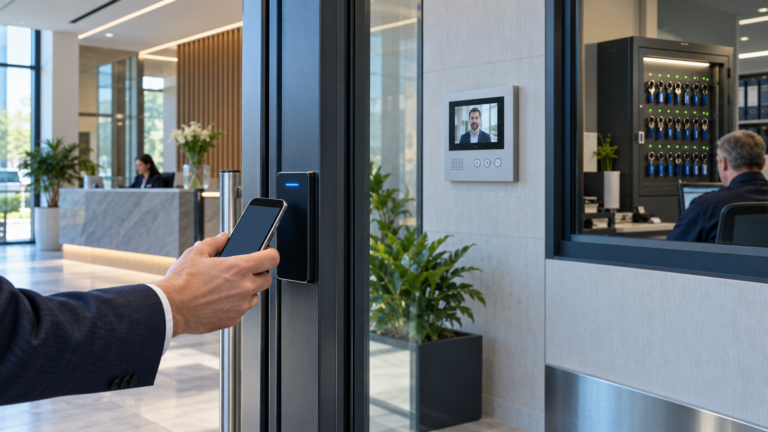


Frictionless Banking and what it means to Financial Services
‘Frictionless Banking’ is one of those industry terms that feels like it has already become a cliché. In reality, it has become a more important topic than ever. Over the last 36 months, the Financial Services industry appears to have reached a consensus on what the term actually means. Broadly speaking, frictionless banking once only referred to the streamlining of back office processes in order to deliver quicker turnarounds and reduce internal costs.
Today, however, the thinking has evolved to see frictionless banking become the removal of friction from the customer experience instead. Making every engagement a customer has with the financial institution simple and straightforward is the current Holy Grail of the sector.
New technology – and new challenges
As the digital footprint of customers expands exponentially, new technology is facilitating new ways to interact with customers and provide them with a more frictionless experience. Mobile banking apps that provide quick access to ‘glance-able’ account data but do not allow the user to make transfers. Biometric data such as iris or fingerprint scanning used as part of the authentication process. Location data from smartphones that can be used to pre-approve transactions if the user is identifiably at home or at the office. Institutions such as Atom Bank have even started using facial recognition software to allow ‘selfie-authentication’.
These digital technologies all deliver a simpler, easier experience to the customer. They exploit ubiquitous consumer technology such as smartphones while eliminating the need for cumbersome peripherals like card readers or fobs. Using technology to provide a frictionless experience in this way will become a key means for financial institutions to differentiate themselves from the competition now and in the future. More agile, digitally-savvy disruptor brands are rapidly entering the market and using technology to deliver frictionless experiences. There is no time to dither.
But there is a tension between providing a frictionless experience and ensuring that all customer interactions are secure and compliant with regulations. Something that provides a smooth experience for the customer could throw up compliance challenges for the institution. Storing biometric and location data on customers, for example, will allow the institution to provide the user with a hassle-free experience. Yet, as the technology grows more prevalent, how to securely store this data and use it correctly will become the subject of increasingly focused regulation. In these cases, there are third-party technology solutions that can provide a frictionless experience for customers and financial institutions alike. Many vendors provide tech that has built-in compliance measures in either the delivery of data or the segregation of customer details and customer records.
From frictionless to friction-right
It is also worth considering that providing a totally frictionless experience may not necessarily be the right approach. Rather, it is about providing the right amount of friction for the right product and the right customer at the right time.
Some might scoff at the idea of people using selfies as part of the authentication process, but this is a powerful way to interact with Millennials. This is how this audience expects to engage and providing them with this form of authentication gives them a frictionless experience. By the same logic, if older customers demand to use bankbooks as part of their customer experience, then the institution must provide them. It is about the customer segment and how they expect to interact with your business.
To use another example, mortgage lenders could use automated bots to deliver mortgage advice that regulation requires. However, for first-time buyers, it might not provide the reassurance and feeling of security they are looking for. A little handholding could still be required. The most technologically advanced or frictionless experience might not best serve the needs of the customer. It really does depend on the product you are selling and who you are selling it to.
So, when institutions consider how they approach frictionless banking and how they offer that experience to customers, a holistic perspective is required. Technology can fuel powerful innovations that deliver seamless and simple interactions with customers. Yet these possibilities must always be balanced with a consideration of the compliance challenges that they could throw up. And, perhaps most importantly, institutions must be asking themselves whether they are providing the right level of friction appropriate to the customer type or product.
[su_button url=”http://www.unisys.com/” target=”blank” style=”flat” background=”#df2027″ color=”#ffffff” size=”10″ radius=”0″ icon=”icon: arrow-circle-right”]Click here to find out more about Unisys[/su_button]