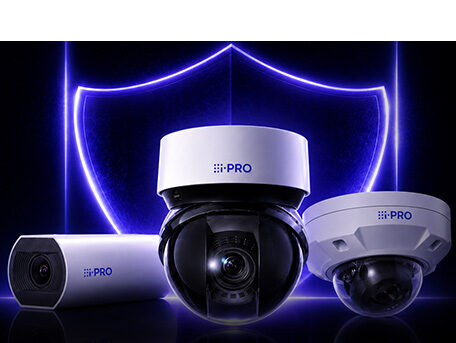

i-PRO has announced a major cybersecurity update programme for its edge-AI camera portfolio, introducing additional hardware, firmware and architectural protections across future versions of approximately 200 existing camera models.
The Security Update initiative is intended to strengthen device security throughout the operational lifecycle while helping customers prepare for evolving cybersecurity legislation and standards. The phased rollout will begin across selected products during 2026 and continue into 2027. Existing deployed cameras are unaffected and will continue to receive normal manufacturer support.
For security buyers, the initiative is particularly relevant as surveillance devices increasingly process AI analytics locally. Protecting the integrity of the camera and its data is consequently becoming directly connected to the reliability of the intelligence generated from it.
Security moves deeper into the hardware
Among the changes is greater use of Secure Element technology aligned with FIPS 140-3 Level 3 cryptographic requirements. This is intended to provide stronger protection for encryption keys while making physical tampering more difficult.
Expanded Secure Boot functionality will also verify firmware before it is allowed to run, helping prevent unauthorised software from executing even where somebody gains physical or network access to a camera.
HTTPS will be enabled by default on future updated models, while physical changes include reinforced fastening mechanisms and secure screw designs intended to make unauthorised opening of devices more difficult.
The programme has also been developed with regulatory changes in mind. i-PRO specifically identifies the European Union’s Cyber Resilience Act, US FIPS 140-3 requirements and Japan’s JC-STAR framework among the standards influencing its approach.
Lifecycle security enters specification
The development illustrates how cybersecurity requirements are changing video surveillance procurement.
Historically, cameras could remain operational for many years provided that they continued delivering acceptable images. Network-connected and AI-enabled devices create a different requirement. Buyers must now consider how products will be protected against vulnerabilities throughout their expected working life.
This includes examining secure boot processes, encryption, software component documentation, vulnerability disclosure policies and the availability of firmware updates.
The relationship between AI and cybersecurity adds another dimension. Analytics depend upon reliable data. If the device producing that information cannot be trusted, confidence in the resulting analytics is also weakened.
For security professionals specifying new camera estates, cybersecurity should therefore increasingly sit alongside image quality, low-light performance, analytics and storage requirements.
The i-PRO programme also demonstrates that manufacturers are beginning to respond to legislation before compliance deadlines force changes. That is important for organisations purchasing equipment today that could remain installed well into the next decade.