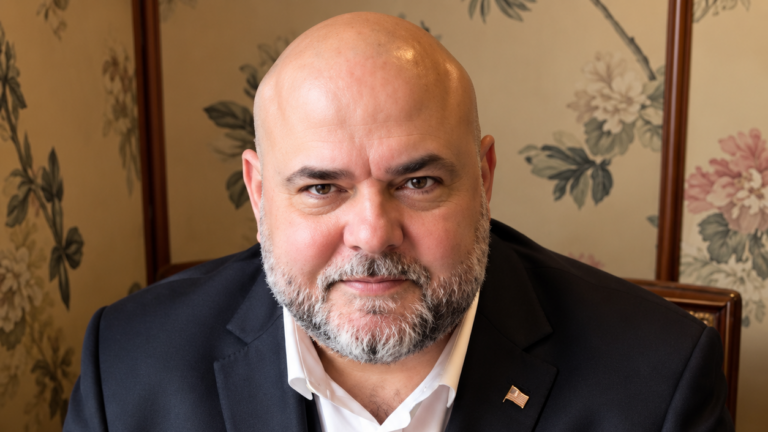


Leigh Turner, Founder of UKSICA, outlines systemic compliance failures, labour exploitation risks, and the structural reforms required to professionalise and stabilise the UK security industry
Can you start by telling us how you entered the security industry and what led to the creation of UKSICA?
The journey was not a straightforward one. Originally, I was preparing to join the army, but after being deferred, I found myself reassessing my options. Security became the natural alternative, but what struck me immediately was how little clarity there was around entering the industry. There was no clear pathway, no central point of guidance, and very little structure in how people were trained or licensed.
For nearly a decade, I studied the sector in depth, from retail security through to corporate environments, focusing on risk, threat, and operational weaknesses. When I eventually undertook formal training, I was surprised by how limited it was. It raised a fundamental question: if this is all security officers are being taught, where is the rest of the knowledge supposed to come from?
That disconnect became the starting point. UKSICA was not created as a business-first venture, it was a response to what I saw as systemic gaps in compliance, training, and accountability across the industry.
At what point did your focus shift from observation to actively challenging the industry?
The turning point came when I began engaging with tenders and contracts. The numbers simply did not add up. Companies were bidding at rates that made it impossible to operate compliantly while remaining profitable. That raised serious questions about how those businesses were functioning.
Through conversations with others in the sector, it became clear that these issues were not isolated. There were widespread problems around pricing, labour practices, and compliance. When I saw others speaking out and facing backlash, it reinforced the need to take a more direct approach.
I began using professional platforms to highlight these issues publicly, particularly LinkedIn. The aim was not to create noise for its own sake, but to ensure visibility among decision-makers, clients, and contractors. Once those conversations started gaining traction, the response from the industry became impossible to ignore.
From your perspective, what are the most significant compliance issues facing the security industry today?
There are several, but three stand out consistently.
First is welfare. There is a lack of meaningful support for frontline staff, despite organisations claiming strong social value commitments. In many cases, issues are only addressed after they escalate.
Second is pay structure. The disparity between what clients are charged and what operatives receive is often extreme. This creates conditions that can border on exploitation.
Third is a lack of understanding around legal obligations. Many organisations, including those led by experienced individuals, do not fully grasp employment law, particularly around self-employment and control of workers.
Beyond that, there are numerous secondary issues, from inadequate vetting processes to failures in verifying insurance and accreditation. The list is extensive, and that in itself highlights the scale of the problem.
You have introduced tools such as the charge rate calculator. How do these begin to address those issues?
The charge rate calculator is about transparency. It provides a clear framework for what a compliant rate should look like, factoring in wages, overheads, and legal obligations. That allows both contractors and clients to understand whether a proposal is viable.
We are also developing additional tools, including a digital passport system for the workforce. This allows individuals to hold their own verified data, from qualifications to employment history, reducing reliance on fragmented vetting processes.
The aim is to create a system where compliance is not optional or ambiguous. It becomes measurable, visible, and enforceable through practical mechanisms rather than policy alone….