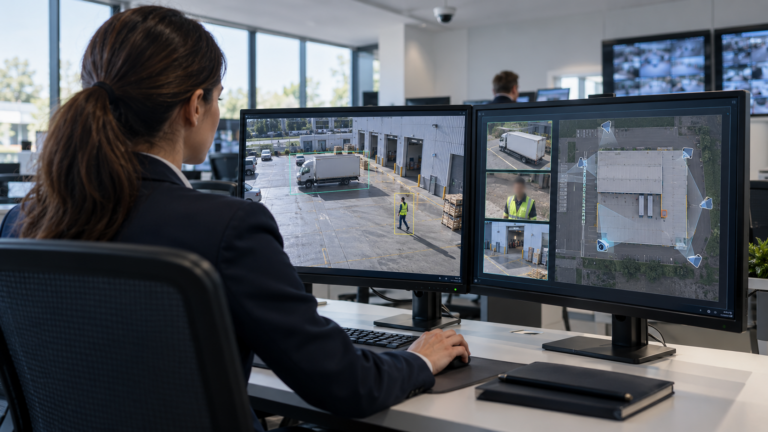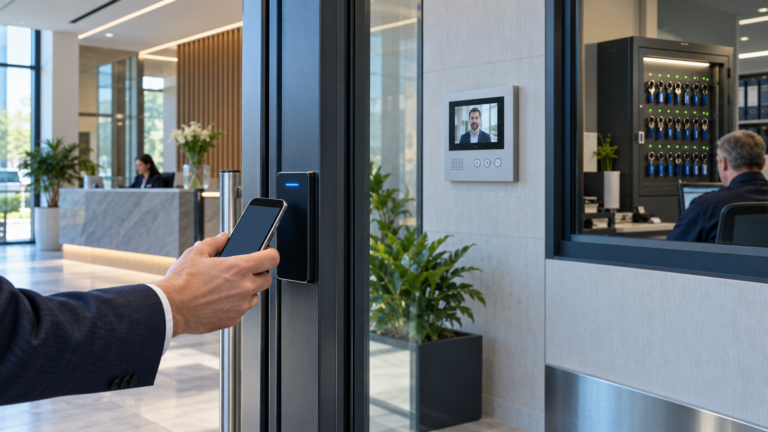

Retailers are increasingly using physical security technology to support operational efficiency, employee safety and wider business decision-making, according to new findings from Genetec.
Published on 18 August, the retail-specific findings from the company’s 2026 State of Physical Security Report indicate that security departments are moving beyond a traditional focus on theft and loss prevention. More than 60% of retail respondents identified improving operational efficiency within the security department as a primary objective for the data generated by their security systems, while a similar proportion prioritised improving safety and security.
Compliance was identified by 55% of respondents, while 48% said security data was being used to improve the experience of customers and employees.
Ageing systems remain a challenge
Despite growing industry attention around artificial intelligence and advanced analytics, the research suggests that many retailers are still dealing with more fundamental infrastructure issues.
Ageing physical security infrastructure was identified as an operational challenge by 40% of retail respondents. Training and upskilling staff followed at 38%, while attracting and hiring suitable employees was cited by 37%. Ageing IT infrastructure was identified by 33%.
These pressures are influencing the way security modernisation programmes are being planned. Rather than necessarily replacing complete estates, many organisations are looking for ways to extend the value of equipment already installed.
Genetec found that 54% of retail respondents plan to use existing technology to address new requirements, while 48% expect to evaluate new security systems for particular applications.
AI adoption becomes more targeted
Artificial intelligence remains part of those plans, with 51% of respondents indicating that they intend to use AI to streamline security processes.
The findings point towards a more measured approach to adoption. For security buyers, the question is increasingly not simply whether a system includes AI, but whether the capability can address a defined operational problem and work effectively alongside existing infrastructure.
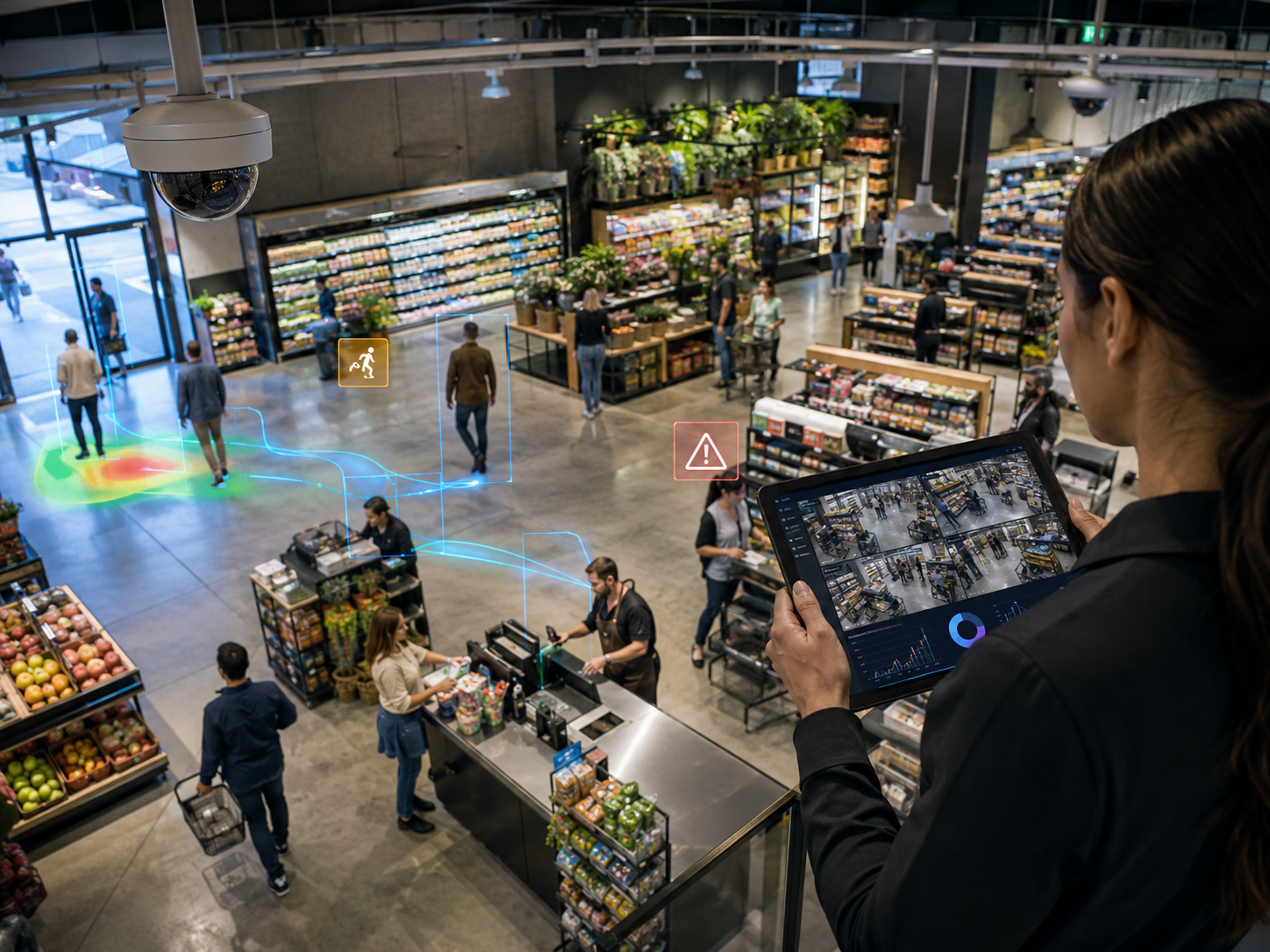
Retail environments are particularly relevant because security systems already generate information covering movement, incidents, access and activity across large numbers of sites. Using that information effectively can support investigations while also providing insight into how locations are being operated.
The report therefore reinforces a wider development within physical security procurement. Cameras, access control platforms and analytics are increasingly being evaluated not only according to their ability to detect security events, but according to the wider operational value they can provide.
For retailers working with ageing estates and constrained budgets, that makes interoperability and phased modernisation particularly important. The objective is becoming less about introducing technology for its own sake and more about extracting greater value from the security infrastructure already deployed.