
Smart access and automated entry could become a common feature of smart-building infrastructure over the next five years. This is due to smart credentials and contactless technology enhancing how people enter buildings and grant access.
The invention of the humble lock and key dates back to the 6th century, and in its simplest form, served societies as the earliest version of access control. Traditional locks and keys are a functional solution to the root problem of securing property and identifying an individual before allowing or denying entry.
Throughout the 20th century devices evolved, and the way residential and commercial spaces were secured vastly improved due to precision engineering and the advancing of computer technologies. In the twenty-tens, the access control evolution began its next stage due to the mass production of smart devices, which today are carried by an estimated 3.6 billion people globally.
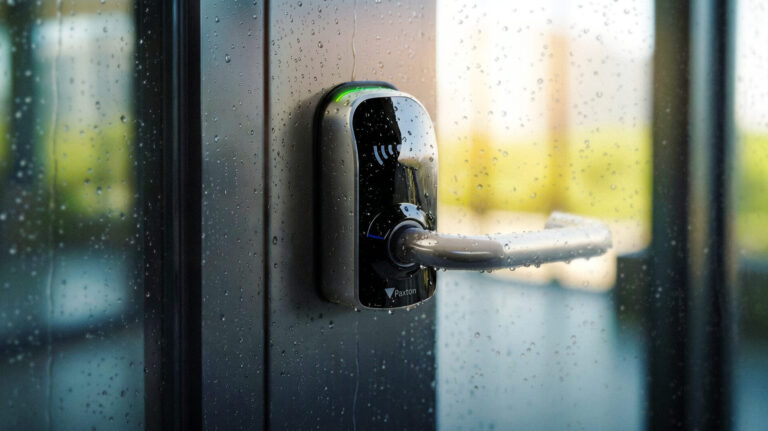
This mass scale adoption has created the infrastructure and tools needed for security developers to create innovative updates, taking access control to the next level in enhanced functionality and end-user experience. Paxton, a forward-thinking security manufacturer that distribute their technology to 63 countries worldwide, are at the forefront of this emerging market.
Adam Stroud, Paxton’s Group Chief Executive explains: “Smart phones and smart watches create an opportunity for new innovations, and the security industry like many others, is being upended. There is rapid advancement happening right now, such as new cloud-based and web browser technologies, or technology that helps us to connect things wirelessly.
“These tools are helping security manufacturers create seamless building solutions for the future.”
People are becoming increasingly familiar with using multiple apps on smart devices to identify themselves and manage daily tasks. These can range from accessing social media or bank accounts, to streaming content and paying bills. These services have set the bar with the level of functionality expected for a seamless experience when using your smart devices for personal verification. They have prompted the security industry to follow suit when developing new products for their markets.
Adam Stroud continues: “From an access control perspective, we are utilising many different ways of identifying people. Central to this is an individual’s smart device and biometric information.”
“An example of this already happening in other industries is cashless payments. Since the pandemic began, cashless payments have accelerated at a rate that may have normally taken five years. Access control and smart credentials are next, but they are still in the early stages of development.”
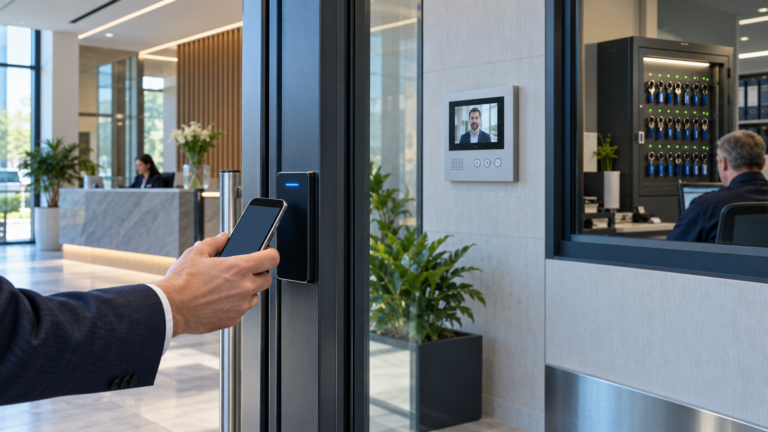
Smart credentials are a form of digital access control token that allows a system user to enter a secured building without a traditional key, or physical card/fob. They are administered by whoever manages a security system, and in Paxton’s case, they are completely free to allocate and use. This makes them a more cost-effective and scalable option than physical tokens.
Once a smart credential has been issued, a secondary layer of security can be implemented, which requires the user to login to their device using their chosen security method (pin, fingerprint, or facial recognition), before using the digital token.
Using Smart credentials is convenient, secure, and particularly useful for unmanned sites as they can be issued to the user by email ahead of time, allowing them easy access on arrival. They can also be effective on sites where permission is granted to lots of people for short periods, at varying intervals.
For smart credentials and automated entry systems to become a mainstream product in people’s everyday lives, a simple system setup that uses basic PC literacy is key to mass scale distribution. The user experience needs to run cost-effectively in the background, as security systems of the past have come with fundamentally complicated infrastructure, expensive setup costs and on-going maintenance.
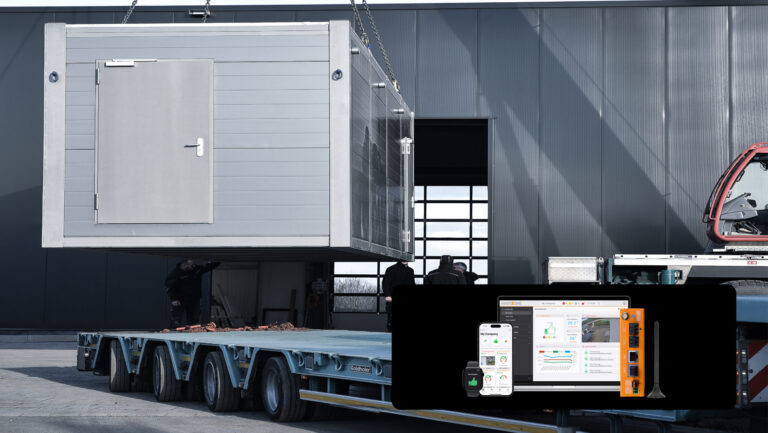
The latest system from Paxton aims to change this, with a simple plug-and-play solution suitable for any building, anywhere with an internet connection.
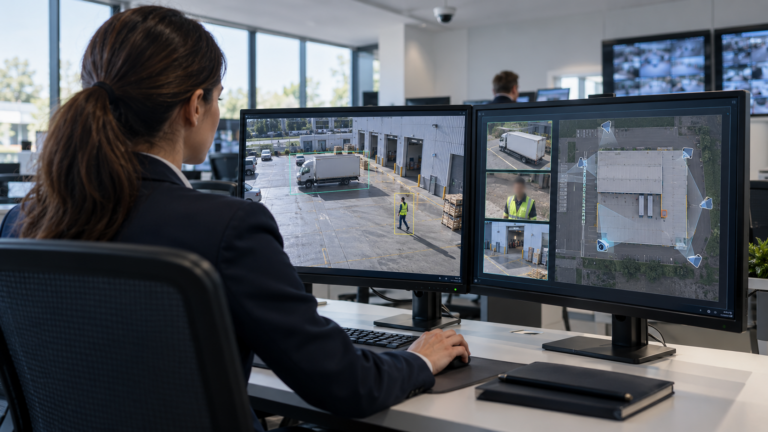
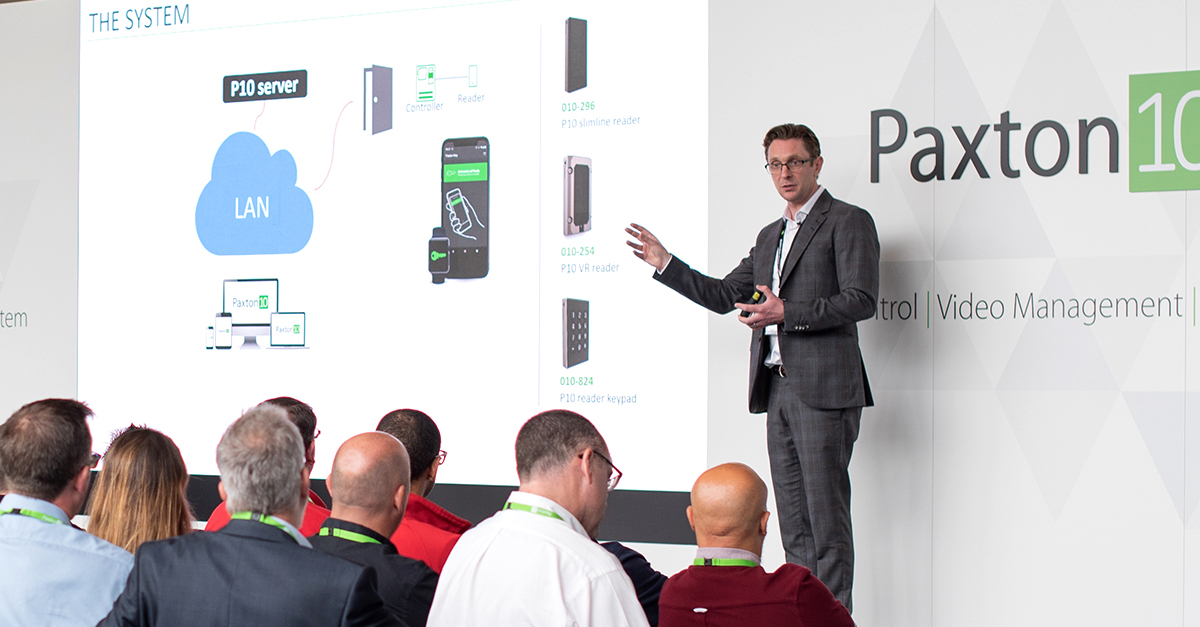
Adam Stroud concludes: “We should be able to breeze seamlessly through a door with security and convenience. This is paramount in all our decisions around our newest system Paxton10. It combines video management and access control on a single user-friendly platform”.
To stay up to date on the latest, trends, innovations, people news and company updates within the global security market please register to receive our newsletter here.
Media contact
Rebecca Morpeth Spayne,
Editor, Security Portfolio
Tel: +44 (0) 1622 823 922
Email: [email protected]