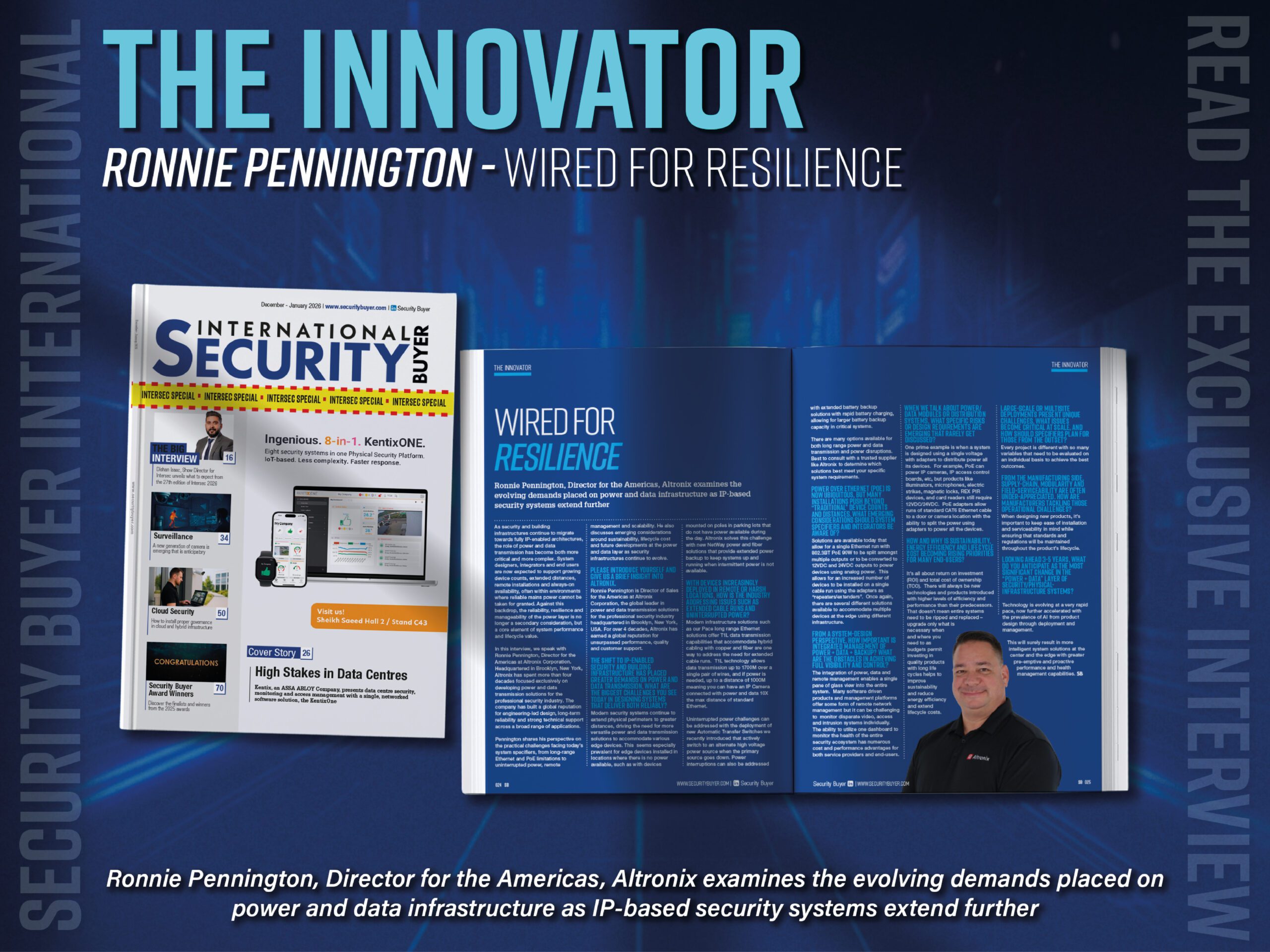

Ronnie Pennington, Director for the Americas, Altronix examines the evolving demands placed on power and data infrastructure as IP-based security systems extend further
The shift to IP-enabled security and building infrastructure has placed greater demands on power and data transmission. What are the biggest challenges you see today in designing systems that deliver both reliably?
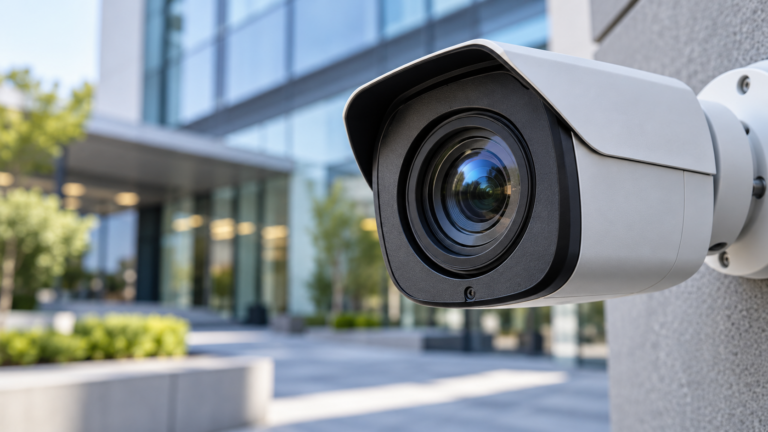
Modern security systems continue to extend physical perimeters to greater distances, driving the need for more versatile power and data transmission solutions to accommodate various edge devices. This seems especially prevalent for edge devices installed in locations where there is no power available, such as with devices mounted on poles in parking lots that do not have power available during the day. Altronix solves this challenge with new NetWay power and fiber solutions that provide extended power backup to keep systems up and running when intermittent power is not available.
With devices increasingly deployed in remote or harsh locations, how is the industry addressing issues such as extended cable runs and uninterrupted power?
Modern infrastructure solutions such as our Pace long range Ethernet solutions offer T1L data transmission capabilities that accommodate hybrid cabling with copper and fiber are one way to address the need for extended cable runs. T1L technology allows data transmission up to 1700M over a single pair of wires, and if power is needed, up to a distance of 1000M meaning you can have an IP Camera connected with power and data 10X the max distance of standard Ethernet.
Uninterrupted power challenges can be addressed with the deployment of new Automatic Transfer Switches we recently introduced that actively switch to an alternate high voltage power source when the primary source goes down. Power interruptions can also be addressed with extended battery backup solutions with rapid battery charging, allowing for larger battery backup capacity in critical systems.
There are many options available for both long range power and data transmission and power disruptions. Best to consult with a trusted supplier like Altronix to determine which solutions best meet your specific system requirements.
Power over Ethernet (PoE) is now ubiquitous, but many installations push beyond “traditional” device counts and distances. What emerging considerations should system specifiers and integrators be aware of?
Solutions are available today that allow for a single Ethernet run with 802.3BT PoE 90W to be split amongst multiple outputs or to be converted to 12VDC and 24VDC outputs to power devices using analog power. This allows for an increased number of devices to be installed on a single cable run using the adapters as “repeaters/extenders”. Once again, there are several different solutions available to accommodate multiple devices at the edge using different infrastructure.
From a system-design perspective, how important is integrated management of power + data + backup? What are the obstacles in achieving full visibility and control?
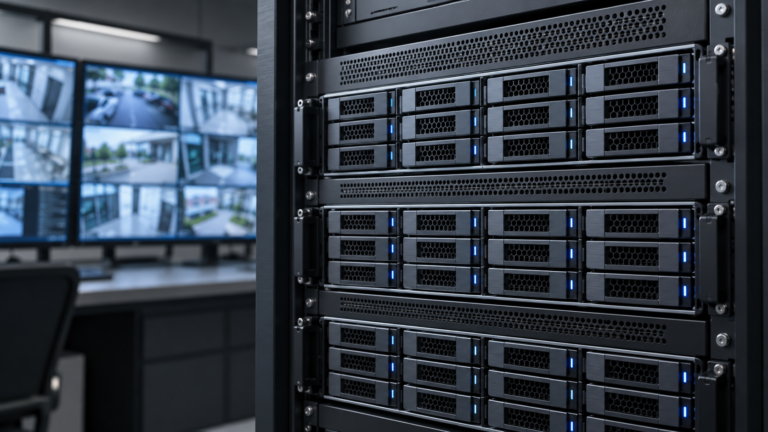
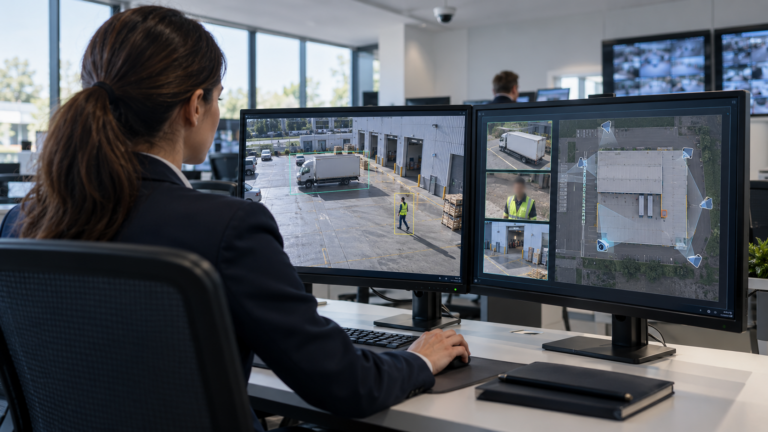
The integration of power, data and remote management enables a single pane of glass view into the entire system. Many software driven products and management platforms offer some form of remote network management but it can be challenging to monitor disparate video, access and intrusion systems individually. The ability to utilize one dashboard to monitor the health of the entire security ecosystem has numerous cost and performance advantages for both service providers and end-users.
When we talk about power/data modules or distribution systems, what specific risks or design requirements are emerging that rarely get discussed?
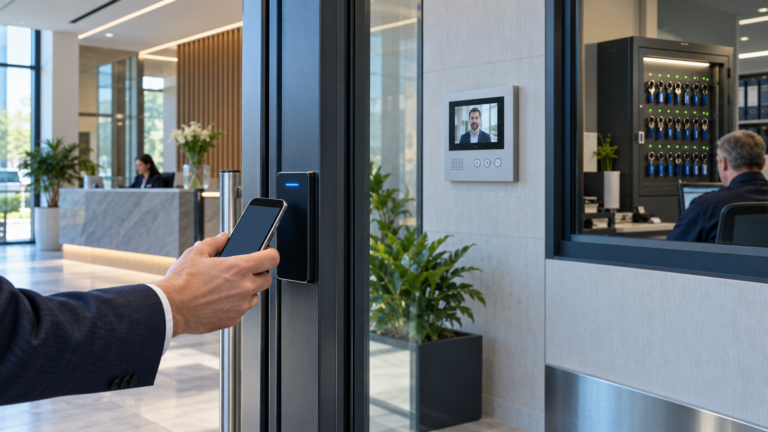
One prime example is when a system is designed using a single voltage with adapters to distribute power all its devices. For example, PoE can power IP cameras, IP access control boards, etc, but products like illuminators, microphones, electric strikes, magnetic locks, REX PIR devices, and card readers still require 12VDC/24VDC. PoE adapters allow runs of standard CAT6 Ethernet cable to a door or camera location with the ability to split the power using adapters to power all the devices.
How and why is sustainability, energy efficiency and lifecycle cost becoming rising priorities for many end-users?
It’s all about return on investment (ROI) and total cost of ownership (TCO). There will always be new technologies and products introduced with higher levels of efficiency and performance than their predecessors. That doesn’t mean entire systems need to be ripped and replaced – upgrade only what is necessary when and where you need to as budgets permit investing in quality products with long life cycles helps to improve sustainability and reduce energy efficiency and extend lifecycle costs.