
Commend has highlighted the role of integrated security communications within data centres, arguing that protecting critical digital infrastructure requires communication systems to work alongside access control, video surveillance and detection technology.
Published on 25 August, the manufacturer’s latest data centre security analysis focuses on the communication layer connecting operators, employees and visitors across different security zones.
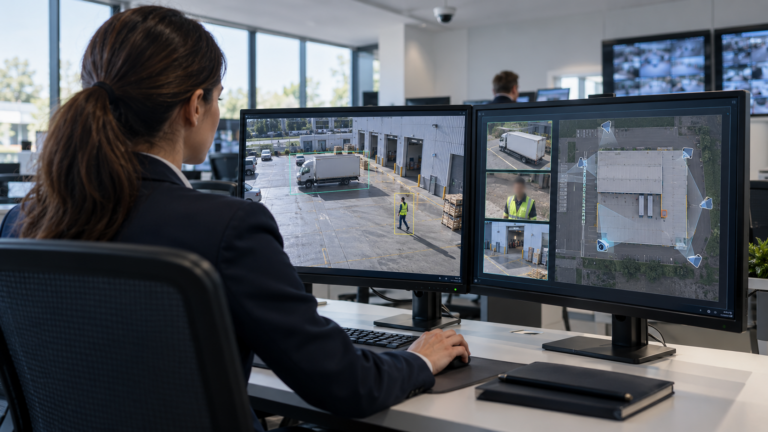
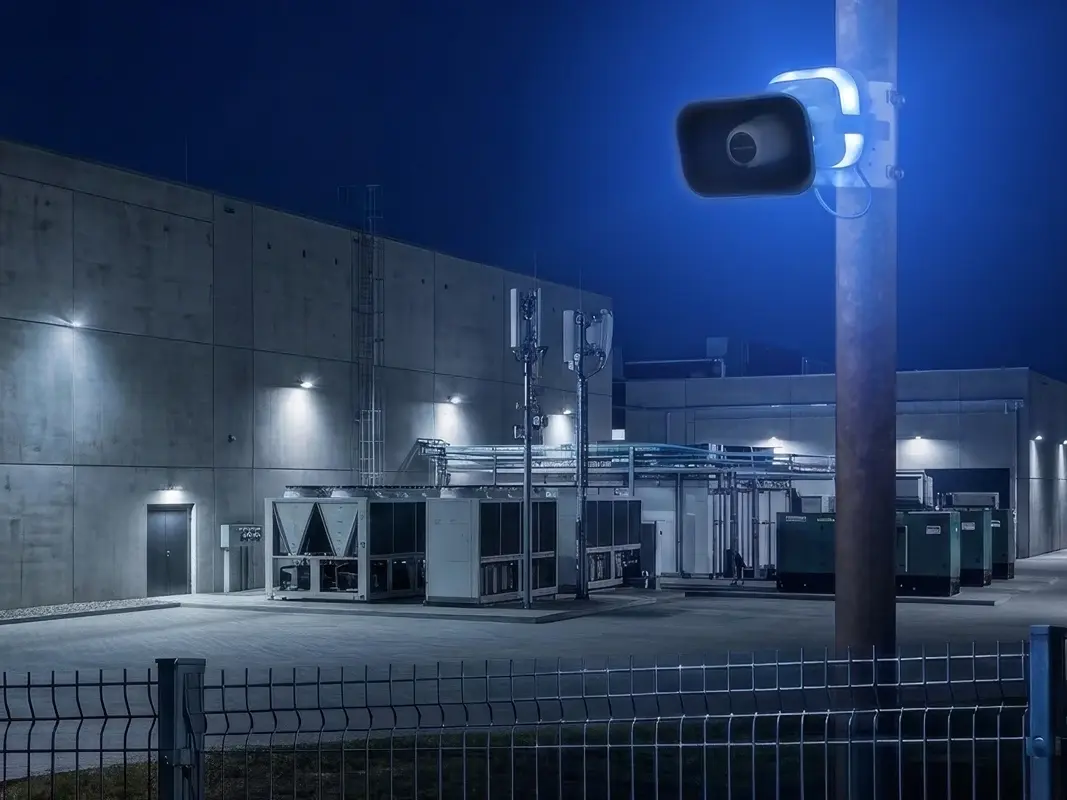
These can extend from perimeter fences and delivery entrances through to restricted technical spaces, data halls and security operations centres. Commend argues that incidents such as unidentified individuals at a perimeter, rejected access attempts or activity within restricted areas require operators not only to detect the event, but also to communicate and coordinate a response.
Security systems need a communication layer
Modern data centres can contain extensive physical security infrastructure, including perimeter detection, access control, surveillance cameras, intrusion systems and building management platforms.
The effectiveness of those technologies ultimately depends on what happens after an incident is detected.
Commend positions integrated communication as a means of connecting those individual systems with the people responsible for responding. Its approach can combine intercom technology with video management, access control, public address, detection systems, building automation and security operations centre environments.
This has particular relevance within data centres because access requirements can vary significantly between areas. Delivery drivers, contractors, permanent employees and technical specialists may all require different levels of access, while some secure areas may contain infrastructure supporting highly sensitive customer or government data.
Communication can therefore provide an additional verification stage when automated access procedures alone are insufficient.
Cyber resilience reaches physical communications
Commend also identifies cybersecurity as a fundamental requirement for modern physical security communication.
The company states that its development processes follow IEC 62443-4-1 and are supplemented by internal and external penetration testing.
This reflects the increasingly blurred boundary between physical and cyber security within critical infrastructure. IP intercoms, surveillance cameras, access control devices and building systems are network endpoints. Their reliability therefore depends not only on physical resilience, but also on how effectively they are secured against digital compromise.
For security buyers, this changes how communication systems should be specified. Audio quality and device durability remain important, but network architecture, software maintenance, encryption and vulnerability management should increasingly form part of procurement decisions.
The wider lesson is that installing more detection technology does not automatically create faster incident response. Security teams must be able to verify what has happened, communicate with people at the location and coordinate their actions.
Within data centres, where interruptions can affect services far beyond the physical site itself, that communications layer increasingly deserves the same procurement attention as cameras, barriers and access credentials.