
dormakaba has acquired the operating businesses of Azure Access Technology and Apollo Security as it looks to expand its presence within the US electronic access control market.
The transaction brings Azure Access’ open-architecture controller technology and Apollo Security’s established access control and integrated security portfolio into the dormakaba business. The transaction was signed and completed on 14 August, with financial terms not disclosed.
Together, Azure Access and Apollo Security employ approximately 30 people and serve access control businesses internationally. Both companies are based in Newport Beach, California.
The acquisition is significant because it strengthens dormakaba’s position within an area of the access control market that is increasingly centred on open platforms, integration and allowing software providers to select hardware independently.
Open architecture drives acquisition
Founded in 2019, Azure Access develops electronic access control hardware designed for software companies and original equipment manufacturers.
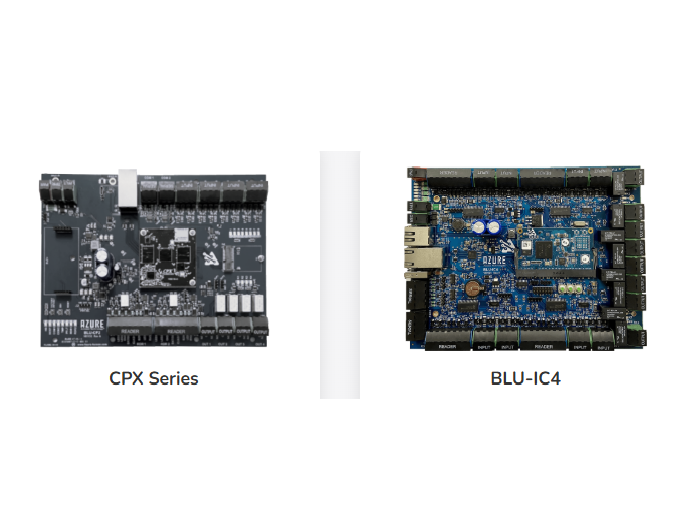
Its controller architecture allows partners to integrate their own software and customise how the hardware is deployed. Azure’s BLU controller range uses an embedded Linux operating system and supports open integration through SDKs and APIs, alongside technologies including OSDP and encrypted communications.
Apollo Security adds an established installed base and wider experience in integrated security systems.
dormakaba CEO Till Reuter said the acquisition would support development of next-generation access control solutions while expanding the company’s component strategy in the US.
The company has historically provided many access solutions as complete engineered packages. The acquisition supports a broader model under which locks, readers and controllers can also be supplied as components to OEM and software partners.
Hardware becomes less proprietary
That shift reflects a wider change within enterprise access control.
Security buyers increasingly expect access platforms to integrate with identity management, visitor systems, mobile credentials, video surveillance and wider building technology. This makes the ability to connect different manufacturers’ components more important than it was when access control operated largely as an isolated system.
Open hardware can also give software providers greater control over the user experience without requiring them to develop their own controllers from the ground up.
For end users, however, open architecture should not simply mean that products can communicate. Buyers still need to examine cybersecurity, firmware support, interoperability testing and responsibility for technical support when multiple suppliers form part of the same system.
The dormakaba acquisition demonstrates how these requirements are influencing manufacturers themselves. As software becomes more influential within access control, control of the complete proprietary technology stack is no longer necessarily the only route to market.
Hardware that can sit beneath several software environments is becoming a significant part of the access control ecosystem.