
Yolanda Hamblen of IFPO describes how the fear of safety could be holding us back, especially in the context of an unbalanced socio-political landscape. How should security professionals react?
We all want a safer world. However, we can’t help but wonder if we just need to work on our perception of fear. Are we safer now than we’ve ever been or are we less safe than we’ve ever been or are we just feeling less safe than we’ve ever been. The answer is nuanced: in many ways, we are safer, yet our perception of safety is increasingly distorted, largely due to media, technology, and shifting societal standards. How does this affect our approach to our roles in the security industry.
Is Fear of Safety Holding Us Back?
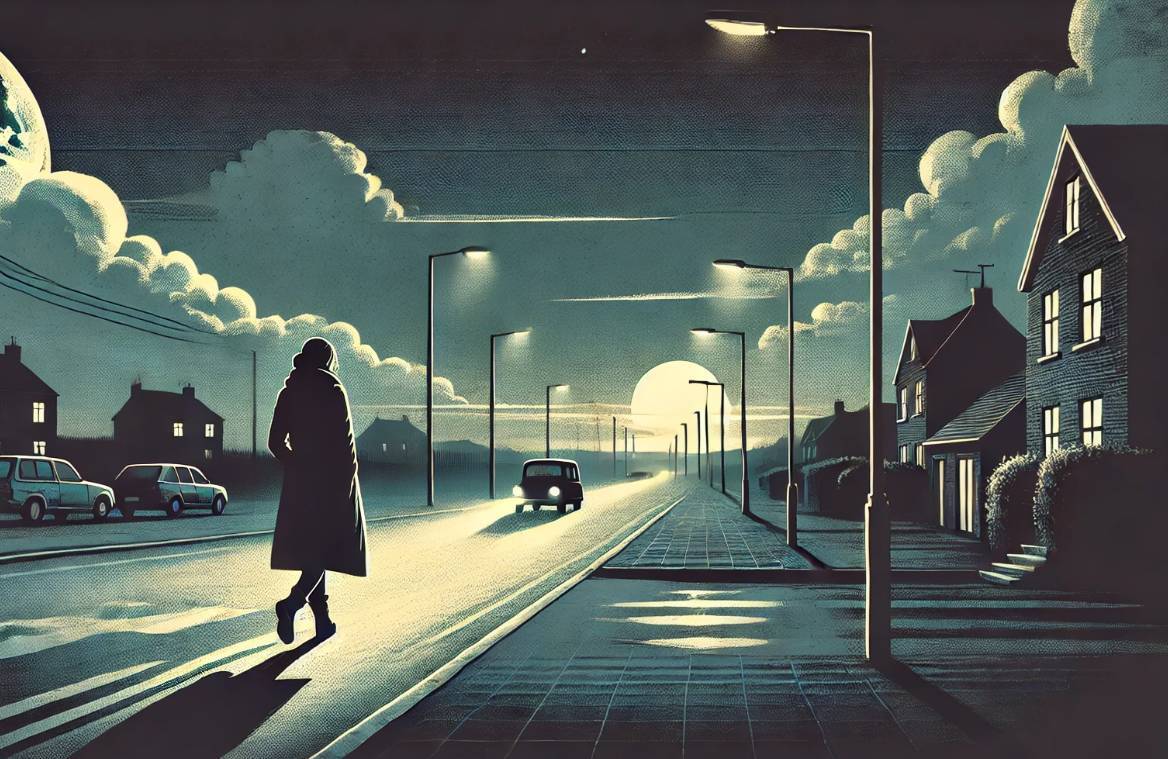
Have you ever wondered what it would be like to step outside for a walk at 3 a.m. in your neighborhood? For many, the thought is quickly overshadowed by a sense of unease, even fear. We’re conditioned to ask ourselves: Is it safe? Yet, the reality might be more nuanced. In many ways, we are actually safer today than we’ve been led to believe. But in a culture where safety is increasingly emphasised, the idea of walking alone in the dark—especially during the “witching hour”—feels almost radical.
There’s a social judgment factor here, too. If you did go for that late-night stroll, would others see you as reckless, naïve or even deserving of negative consequences? We’ve come to associate certain choices with unnecessary risk, even if the reality of danger doesn’t fully support it. Despite having lower crime rates in many areas, higher safety standards, and increased awareness, there is still a pervasive sense of fear that can make us overly cautious, and I demonstrate here why this is justified.
So, who’s behind this culture of caution? Are we being manipulated in our professions? Is our perception of security being distorted too? Who is responsible? It might be those who emphasise threats, sensationalise crime, and constantly urge us to take precautions. While vigilance is important, it’s also worth asking whether we’ve been taught to be more fearful than necessary. The truth is, in most communities, late-night dangers may be more imagined than real. Is the security industry the same?
How Safe Do We Really Feel?
It’s been an emotional week in the U.S., and it’s no exaggeration to say that November 6th felt like a hangover for half the country. Emotions ran high on social media, especially LinkedIn, as the post-election wave rippled across workplaces, influencing both professional discourse and personal reflections. This election wasn’t just political—it sparked a deeper discussion about safety, security, and the values that underpin them.
For many, the election results ignited a profound sense of vulnerability. Beyond policy and party lines, people expressed concerns for both their own safety and the collective well-being of their communities. The disbelief and shock that followed were often tinged with personal anguish. The fact that the President-elect, Donald Trump, carries a criminal record with convictions that include rape, has raised significant questions about societal values, the direction of leadership, and what that means for public trust and security.
The reactions have been mixed. Some found empowerment in the outcome, but for many others, the results have brought about a new sense of unease. As citizens, it’s natural to ask what this shift in leadership might mean for our personal and national security. For now, we’re left to navigate a landscape where concerns about safety—personal, communal, and global—are heightened, making us reflect on the larger implications of these results.
Security and the Weight of Words
Recently, a photo appeared in my LinkedIn feed the morning after the Trump victory of a man at what seemed to be a university protest, holding a bold red poster with the words, “WOMEN ARE PROPERTY.” The sight immediately triggered a cascade of responses, from fear to anger, rebellion, and resignation, across the comment thread. The man’s body camera was a reminder for me not of how seriously he takes his convictions but of the potential negative way he could use responses to his protest from women. But what about the impact on the rest of us? It is felt that the election results made men like that man feel comfortable enough to attend his university and represent views like that. That’s worrying. Other posters had messaging about how women’s bodies belong to men. This doesn’t make anyone feel safer.
As security professionals, we deal with biases and perceptions every day, working to understand and mitigate the risks they pose. But when confronted with messages as openly antagonistic as this, one has to ask: How do you engage in meaningful debate with individuals who hold these beliefs? Can minds be changed when messages are so pointedly offensive?
This image and the beliefs it represents, present more than a social challenge; they influence how we assess risk, manage biases, and understand the minds that shape our work environments. As we face encounters that reinforce harmful biases, we must continually examine and counteract the ways these messages affect us. Professionalism demands that we stay vigilant about the filters and assumptions we carry into every security decision. But incidents like this serve as stark reminders of why a commitment to objectivity, empathy, and resilience remains critical in confronting the influences that shape our world.
Security professionals on the front line along with the police have to put their own beliefs to the side when they are on the job. I remember this Police recruitment commercial prior to my joining in 2002, it featured Lennox Lewis he said: “The first rule of boxing is controlled it’s not about losing it with someone it’s about keeping your composure it takes a lot of willpower and strength within yourself to really stop yourself from doing what you’re capable of doing but if I was called out to a home where seems a man was using his fist on a woman, beating her up over some domestic row you see the state of the woman, and you see what this man has done, something comes out of you, instant hatred, I don’t know if I could keep my cool with that, man, I couldn’t swear to that…could you?”…
Read more exclusives and news in our latest issue here.
Never miss a story… Follow us on:
Security Buyer
@SecurityBuyer
@Secbuyer
Media Contact
Rebecca Morpeth Spayne,
Editor, Security Portfolio
Tel: +44 (0) 1622 823 922
Email: [email protected]