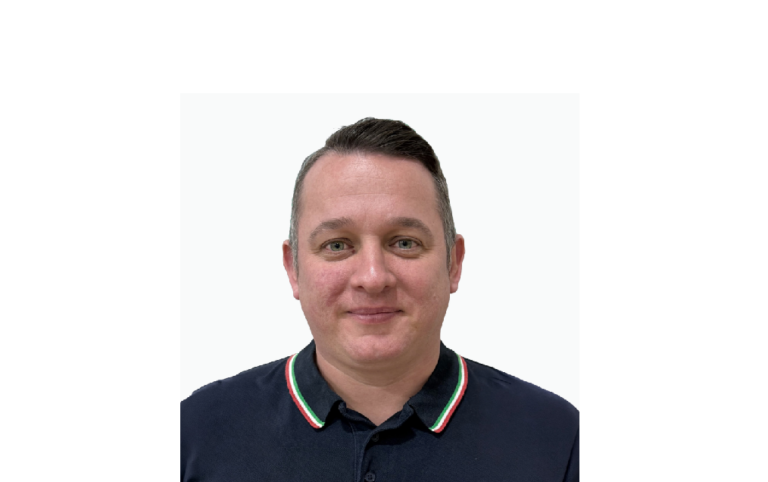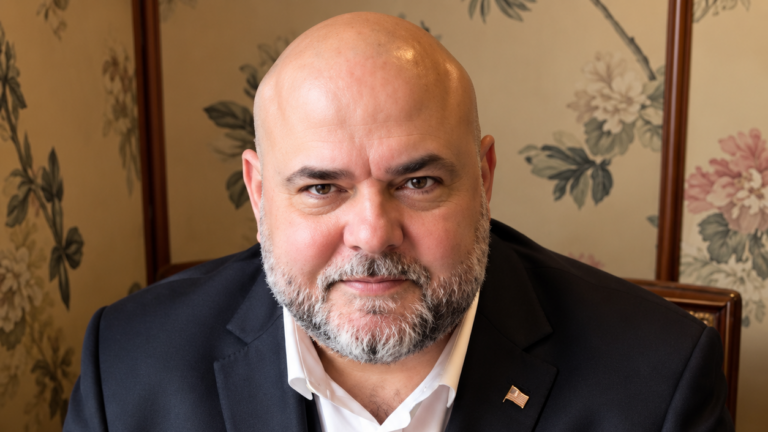
Security Buyer caught up with Simon Legrand, Founder, Strategic Advisor for the security industry to find out more about his role in industry.
What does ‘security’ mean to you?
Security isn’t just a camera or a fence, it’s the assurance that critical infrastructure can operate without interference, powered by intelligent, autonomous systems that see threats before they materialise.
What is one thing you would change about the industry?
The obsession with “box-shifting” and rental yields over true innovation. We need to stop rewarding legacy hardware and start prioritising data agnosticism, AI and systemic efficiency.
What is the biggest trend you see today?
The “Great Decoupling.” We are moving away from proprietary, closed-loop hardware toward open, Edge-AI-driven ecosystems. If your hardware can’t talk to the cloud or your AI, it’s becoming a stranded asset and disconnected from decision makers.
Who is sitting at your dream dinner table?
Nikola Tesla for the vision of wireless power, Ernest Shackleton for leadership under extreme pressure, and Yvon Chouinard (Patagonia) for proving that radical environmental responsibility is a massive competitive advantage.
What advice would you give your younger self?
Trust your intuition earlier. Don’t let corporate inertia slow down a vision that you know the market eventually won’t be able to live without or ignore.
What’s your favourite way to spend a weekend?
Off the grid. Ideally mountain biking and camping, environments where you’re forced to rely on preparation, high-quality gear and quick decision-making.
What three traits define you?
Technical foresight, pragmatism and a refusal to accept “standard” as “sufficient.”
What three items would you take to a desert island and why?
I’d take a pouch of seeds to build a sustainable food source, a multi-tool to build tools and shelter and a desalination device to supply of fresh water for myself and crops.
What’s the most interesting thing about you that we wouldn’t learn from your CV?
I’ve deployed mission critical tech in some of the most remote, hostile environments on Earth, from the Kazakh steppe to the UK’s strategic highways. I know exactly where theoretical engineering fails in the real world.
What’s your approach to change? Do you like change?
I don’t just like change, I thrive on it. In our sector, if you aren’t the one driving the change, you’re the one being disrupted by it. Stagnation is the only real risk.
Do you have a creative outlet?
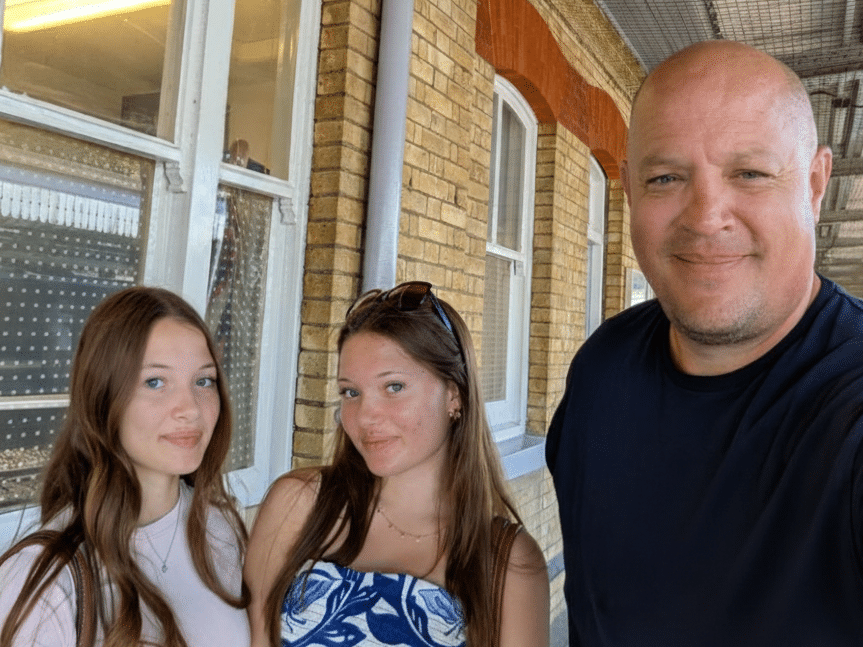
I find immense inspiration in watching my children excel in theirs. Whether it’s the discipline of ballroom dancing or the technicality of playing an instrument, witnessing that raw progression from practice to mastery is a creative fuel for me.
Where do you see yourself in 5 years?
In five years, my metrics for success will be simple. Firstly, to be a present and good Father because the legacy we leave at home is the only one that truly endures. Secondly, to look back at an industry that has fundamentally shifted because of the material change I helped to build.
Technical foresight, pragmatism and a refusal to accept “standard” as “sufficient.”
What three items would you take to a desert island and why?
I’d take a pouch of seeds to build a sustainable food source, a multi-tool to build tools and shelter and a desalination device to supply of fresh water for myself and crops.
What’s the most interesting thing about you that we wouldn’t learn from your CV?
I’ve deployed mission critical tech in some of the most remote, hostile environments on Earth, from the Kazakh steppe to the UK’s strategic highways. I know exactly where theoretical engineering fails in the real world.
What’s your approach to change? Do you like change?
I don’t just like change, I thrive on it. In our sector, if you aren’t the one driving the change, you’re the one being disrupted by it. Stagnation is the only real risk.
Do you have a creative outlet?
I find immense inspiration in watching my children excel in theirs. Whether it’s the discipline of ballroom dancing or the technicality of playing an instrument, witnessing that raw progression from practice to mastery is a creative fuel for me.
Where do you see yourself in 5 years?
In five years, my metrics for success will be simple. Firstly, to be a present and good Father because the legacy we leave at home is the only one that truly endures. Secondly, to look back at an industry that has fundamentally shifted because of the material change I helped to build.