
ManageEngine, the enterprise IT management division of Zoho Corporation, announced results from its IT at work: 2022 and beyond study. This newly released data, involving IT decision makers (ITDMs) and business decision makers (BDMs), examines the democratisation of IT and the ability of IT teams to influence business decisions in large and enterprise-sized organisations in the UAE.
According to the study, there is increased collaboration between IT and other teams within organisations, which may have contributed to non-IT employees possessing more knowledge about IT now than they did before 2020. IT structures within organisations are being increasingly decentralised, and non-IT departments now enjoy autonomy when it comes to technology decisions.
However, any concerns over the role of IT teams being diminished are dispelled as the study found that they are pivotal in building tomorrow’s enterprises. Around 76% of ITDMs expect IT to play a greater role in setting the organisation’s overall strategy in the next 5 years. This is 11% higher than the global average.
The success of the IT team in playing its role has a significant bearing on the organisation’s success, with over 91% of all respondents pointing to a direct correlation between both. Furthermore, IT professionals are increasingly expected to be innovators, with more than nine in ten (91%) respondents agreeing that IT is more responsible for business innovation than ever before.
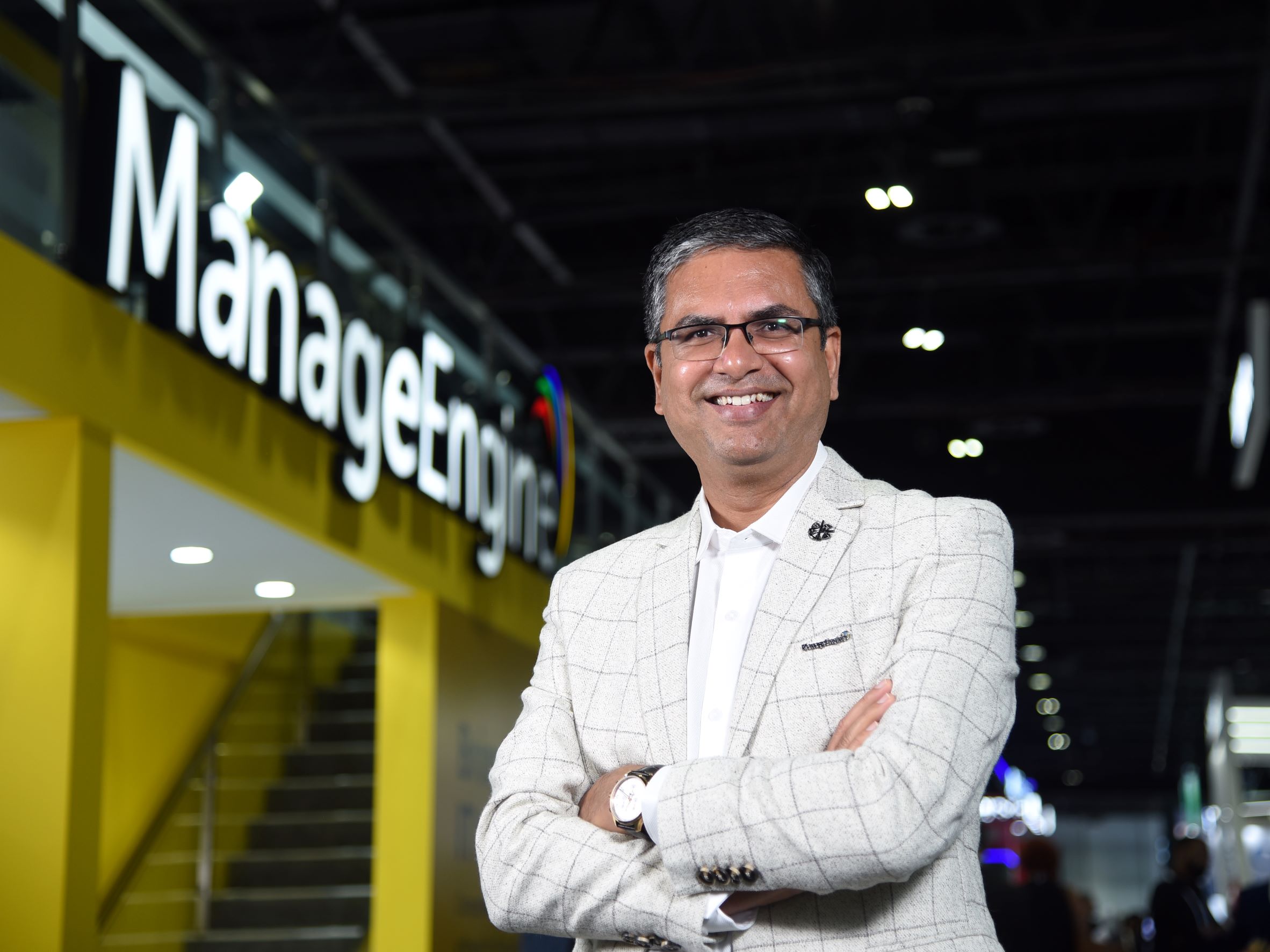
“Professionals are keen to gain new perspectives from industry peers in order to stay updated and advance in their career. Through this study, we hope to facilitate the sharing of knowledge among stakeholders in the UAE. These insights also help ManageEngine in its constant endeavour of evolving as a comprehensive and effective IT management platform,” said Rajesh Ganesan, president at ManageEngine.
Key findings from the study
- Increased collaboration leading to tech autonomy for non-IT teams.
- The vast majority (90%) of respondents report that collaboration between IT teams and other departments has increased during the past two years.
- More than four-fifths (84%) of respondents agree that non-IT employees in their organisation are more knowledgeable about IT now than they were before 2020.
- Around 44% of organisations have already decentralised their IT structure, with another 49% currently attempting to do so.
- Nearly all (98%) BDMs say their department has autonomy when it comes to making technology decisions. This autonomy relates to not only purchasing software (64%), and devices (47%), but also to hiring tech talent (62%).
- Leveraging AI and machine learning (ML) against cyberattacks.
- Around 91% of all respondents say AI and ML technologies will play a significant role in strengthening their organisation’s IT security framework.
- Nearly all (95%) BDMs say that their organisation has invested in AI and ML technologies and are doing so for more than one use case, on average. A notable proportion of BDMs report that they are using AI to prevent cyberattacks (52%).
- IT and security teams are held responsible when it comes to defending against cyberattacks. Around 73% of decision makers (both ITDMs and BDMs) say it is the responsibility of IT and security teams to protect organisations.
- Development of skills and talent retention.
- Two-fifths (41%) of ITDMs in the UAE say they are actively looking for a new job, while pretty much the same number (45%) say they feel less loyal to their current employers than than they were two years ago.
- When it comes to what ITDMs want from their role in the next five years, these were cited as most important: the potential to learn new skills (55%), the ability to step into a more senior role (49%), and the ability to guide change within the organisation (48%).
- Around half of ITDMs say that they would be driven away from their organisation if their pay did not at least stay current with inflation (54%), if there were no potential for advancement/promotion (52%), or a flexible work model (50%), or any of several other existing benefits cited, were taken away.
To read more news and exclusive features see our latest issue here.
Never miss a story… Follow us on:
 Security Buyer
 @SecurityBuyer
 @SecbuyerME
Media Contact
Rebecca Morpeth Spayne,
Editor, Security Portfolio
Tel: +44 (0) 1622 823 922
Email: [email protected]