

A comprehensive analysis of security strategies in Africa’s oil and gas industry, covering physical, cyber, and remote surveillance measures for resilience. By Hannah Larvin, Features Editor of Security Buyer
Africa’s oil and gas industry plays a crucial role in the global energy market, with significant contributions to the continent’s economy. The sector supports millions of jobs, generates substantial revenue, and fuels economic growth across numerous African countries. Major oil-producing nations such as Nigeria, Angola, Algeria, and Libya have long been central to both regional and international energy supplies. However, the infrastructure and operations that support this industry face a unique and intricate set of security threats. The combination of physical, geopolitical, and digital challenges makes protecting this sector particularly complex.
Threats range from insurgencies and armed groups disrupting operations in oil-rich regions to piracy in the Gulf of Guinea—one of the world’s most dangerous maritime corridors for oil shipping. Additionally, the rise of sophisticated cyber-attacks targeting digital infrastructure and industrial control systems poses a significant risk, capable of causing operational paralysis and financial loss. Securing such a vital industry requires a multi-faceted approach that balances advanced technology, robust physical security measures, and strategic collaboration.
This feature explores the strategic measures taken to mitigate these risks. It examines how partnerships between governments, oil companies, and security providers are being forged to enhance resilience. Additionally, it highlights the deployment of cutting-edge surveillance systems, cybersecurity frameworks, and comprehensive risk management practices designed to protect assets, maintain operational integrity, and ensure the safety of personnel in a landscape fraught with potential threats.
Physical Security Challenges and Solutions
The physical security landscape in Africa’s oil and gas sector is marked by persistent and varied threats, with insurgencies, sabotage, and piracy being particularly prevalent in key regions such as Nigeria and Angola. Insurgent groups often target oil facilities with the intent of disrupting operations, extorting resources, or making political statements, leading to not only financial losses but also significant operational halts that can impact global energy markets. The threat of sabotage can range from deliberate damage to oil pipelines to attacks on drilling rigs and storage facilities. These acts not only pose risks to the facilities but also endanger the lives of workers and nearby communities.
Maritime piracy, especially in the Gulf of Guinea, remains a critical concern. This region is one of the world’s most dangerous maritime corridors for oil shipping, where pirates frequently target oil tankers, stealing valuable cargo and holding crew members for ransom. Such incidents disrupt supply chains, delay deliveries, and lead to increased insurance premiums and operational costs for companies.
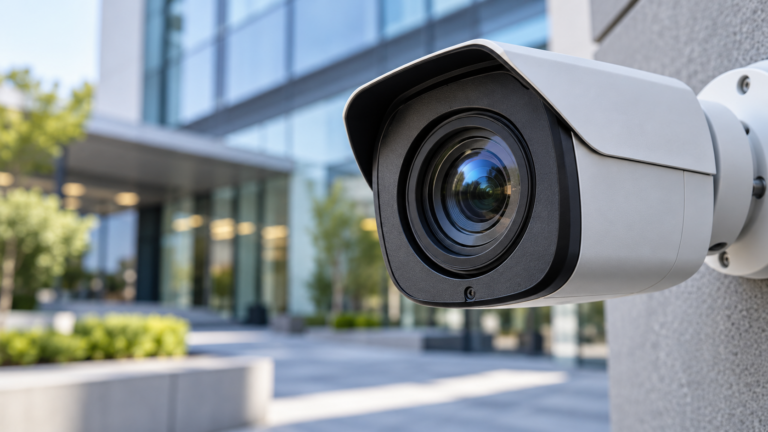
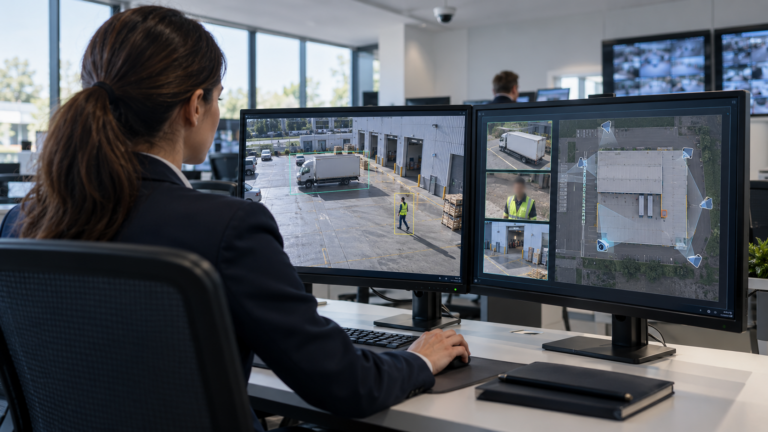
To counter these complex challenges, companies are deploying a range of sophisticated physical security solutions. Surveillance systems equipped with intelligent video analytics have become essential for continuous monitoring of expansive facilities and surrounding areas. Manufacturers such as Hikvision and Avigilon provide advanced camera systems capable of real-time detection and alerting security teams to potential intrusions or suspicious activities. These surveillance systems are integrated with command centers to deliver comprehensive oversight, allowing security teams to coordinate rapid response efforts effectively.
In addition to surveillance, on-ground security measures are reinforced through armed patrols and fortified perimeters that act as deterrents to potential attackers. These are further supported by sensor technologies capable of detecting vibrations or movements that may signal tampering or unauthorised access. Integrated alarm systems, motion detectors, and seismic sensors provide real-time feedback, enhancing situational awareness and adding an extra layer of defense against potential breaches.
High-security lighting and perimeter barriers equipped with automated floodlights and acoustic sensors add another dimension of deterrence. These technologies can identify unusual noises, such as drilling or cutting, which may indicate sabotage attempts, allowing security teams to react promptly. This multi-layered approach to physical security helps maintain operational continuity and safeguard assets and personnel against both internal and external threats.
Remote On-Site Protection
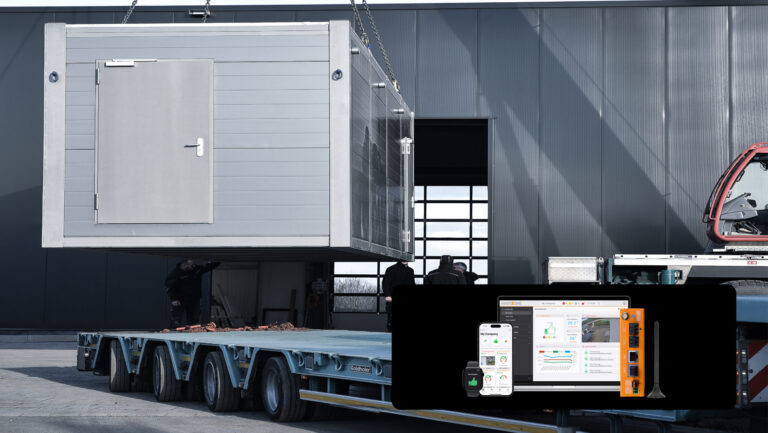
Given the vast and often remote locations of oil fields and pipelines, traditional security measures alone are insufficient to ensure comprehensive protection. These sites are frequently located far from populated areas and support infrastructure, making them especially vulnerable to security breaches, theft, and sabotage. The logistical challenges of securing such widespread and isolated assets demand innovative approaches that go beyond conventional patrolling or fixed surveillance systems.
Drone surveillance has emerged as a pivotal component of on-site protection strategies, revolutionising how companies monitor their operations in remote regions. Unmanned aerial vehicles (UAVs) equipped with advanced technologies, such as Teledyne FLIR thermal imaging, provide enhanced visibility even in low-light or harsh environmental conditions. This capability allows drones to effectively patrol areas at night or during poor weather, identifying unauthorised activities and alerting security teams to potential breaches with minimal delay….
Read more exclusives and news in our latest issue here.
Never miss a story… Follow us on:
Security Buyer
@SecurityBuyer
@Secbuyer
Media Contact
Rebecca Morpeth Spayne,
Editor, Security Portfolio
Tel: +44 (0) 1622 823 922
Email: [email protected]