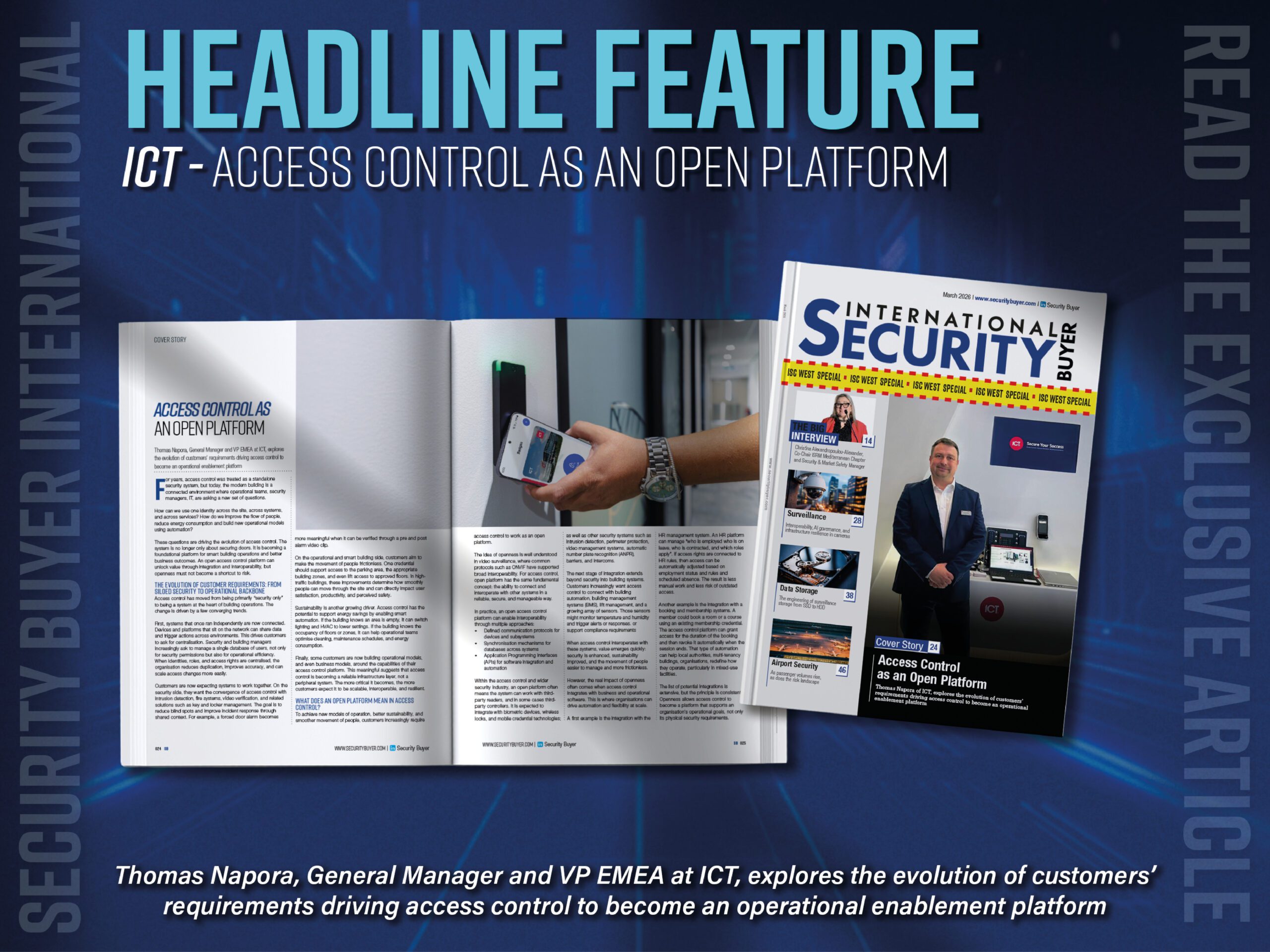

Thomas Napora, General Manager and VP EMEA at ICT, explores the evolution of customers’ requirements driving access control to become an operational enablement platform
For years, access control was treated as a standalone security system, but today, the modern building is a connected environment where operational teams, security managers, IT, are asking a new set of questions.
How can we use one identity across the site, across systems, and across services? How do we improve the flow of people, reduce energy consumption and build new operational models using automation?
These questions are driving the evolution of access control. The system is no longer only about securing doors. It is becoming a foundational platform for smart building operations and better business outcomes. An open access control platform can unlock value through integration and interoperability, but openness must not become a shortcut to risk.
The evolution of customer requirements: from siloed security to operational backbone
Access control has moved from being primarily “security only” to being a system at the heart of building operations. The change is driven by a few converging trends.
First, systems that once ran independently are now connected. Devices and platforms that sit on the network can share data and trigger actions across environments. This drives customers to ask for centralisation. Security and building managers increasingly ask to manage a single database of users, not only for security permissions but also for operational efficiency. When identities, roles, and access rights are centralised, the organisation reduces duplication, improves accuracy, and can scale access changes more easily.
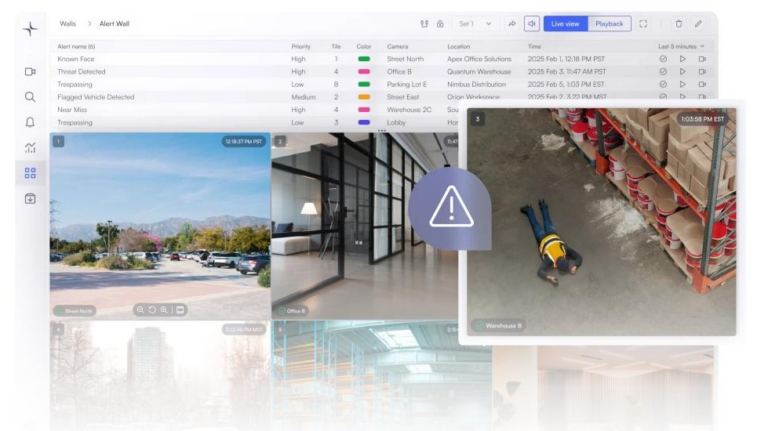
Customers are now expecting systems to work together. On the security side, they want the convergence of access control with intrusion detection, fire systems, video verification, and related solutions such as key and locker management. The goal is to reduce blind spots and improve incident response through shared context. For example, a forced door alarm becomes more meaningful when it can be verified through a pre and post alarm video clip.
On the operational and smart building side, customers aim to make the movement of people frictionless. One credential should support access to the parking area, the appropriate building zones, and even lift access to approved floors. In high-traffic buildings, these improvements determine how smoothly people can move through the site and can directly impact user satisfaction, productivity, and perceived safety.
Sustainability is another growing driver. Access control has the potential to support energy savings by enabling smart automation. If the building knows an area is empty, it can switch lighting and HVAC to lower settings. If the building knows the occupancy of floors or zones, it can help operational teams optimise cleaning, maintenance schedules, and energy consumption.
Finally, some customers are now building operational models, and even business models, around the capabilities of their access control platform. This meaningful suggests that access control is becoming a reliable infrastructure layer, not a peripheral system. The more critical it becomes, the more customers expect it to be scalable, interoperable, and resilient.
What does an open platform mean in access control?
To achieve new models of operation, better sustainability, and smoother movement of people, customers increasingly require access control to work as an open platform.
The idea of openness is well understood in video surveillance, where common protocols such as ONVIF have supported broad interoperability. For access control, open platform has the same fundamental concept: the ability to connect and interoperate with other systems in a reliable, secure, and manageable way.
In practice, an open access control platform can enable interoperability through multiple approaches:
- Defined communication protocols for devices and subsystems
- Synchronisation mechanisms for databases across systems
- Application Programming Interfaces (APIs) for software integration and automation
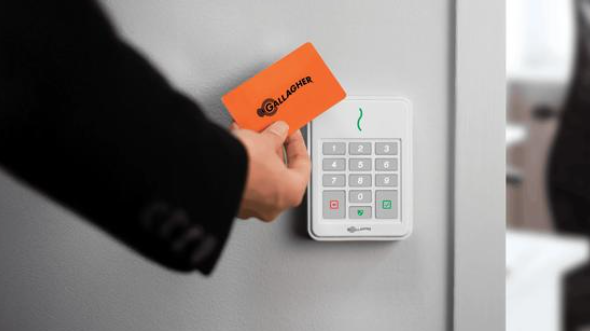
Within the access control and wider security industry, an open platform often means the system can work with third-party readers, and in some cases third-party controllers. It is expected to integrate with biometric devices, wireless locks, and mobile credential technologies; as well as other security systems such as intrusion detection, perimeter protection, video management systems, automatic number plate recognition (ANPR), barriers, and intercoms.
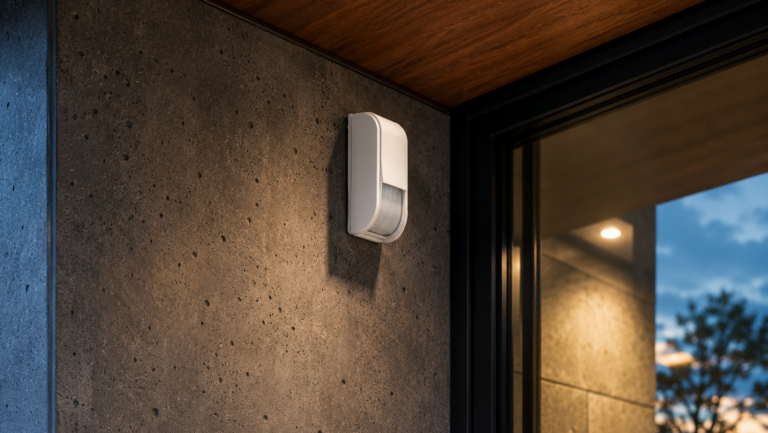
The next stage of integration extends beyond security into building systems. Customers increasingly want access control to connect with building automation, building management systems (BMS), lift management, and a growing array of sensors. Those sensors might monitor temperature and humidity and trigger alerts or responses. or support compliance requirements
When access control interoperates with these systems, value emerges quickly: security is enhanced, sustainability improved, and the movement of people easier to manage and more frictionless.
However, the real impact of openness often comes when access control integrates with business and operational software. This is where organisations can drive automation and flexibility at scale.
A first example is the integration with the HR management system. An HR platform can manage “who is employed who is on leave, who is contracted, and which roles apply”. If access rights are connected to HR rules, then access can be automatically adjusted based on employment status and rules and scheduled absence. The result is less manual work and less risk of outdated access.
Another example is the integration with a booking and membership systems. A member could book a room or a course using an existing membership credential. The access control platform can grant access for the duration of the booking and then revoke it automatically when the session ends. That type of automation can help local authorities, multi-tenancy buildings, organisations, redefine how they operate, particularly in mixed-use facilities.
The list of potential integrations is extensive, but the principle is consistent. Openness allows access control to become a platform that supports an organisation’s operational goals, not only its physical security requirements…