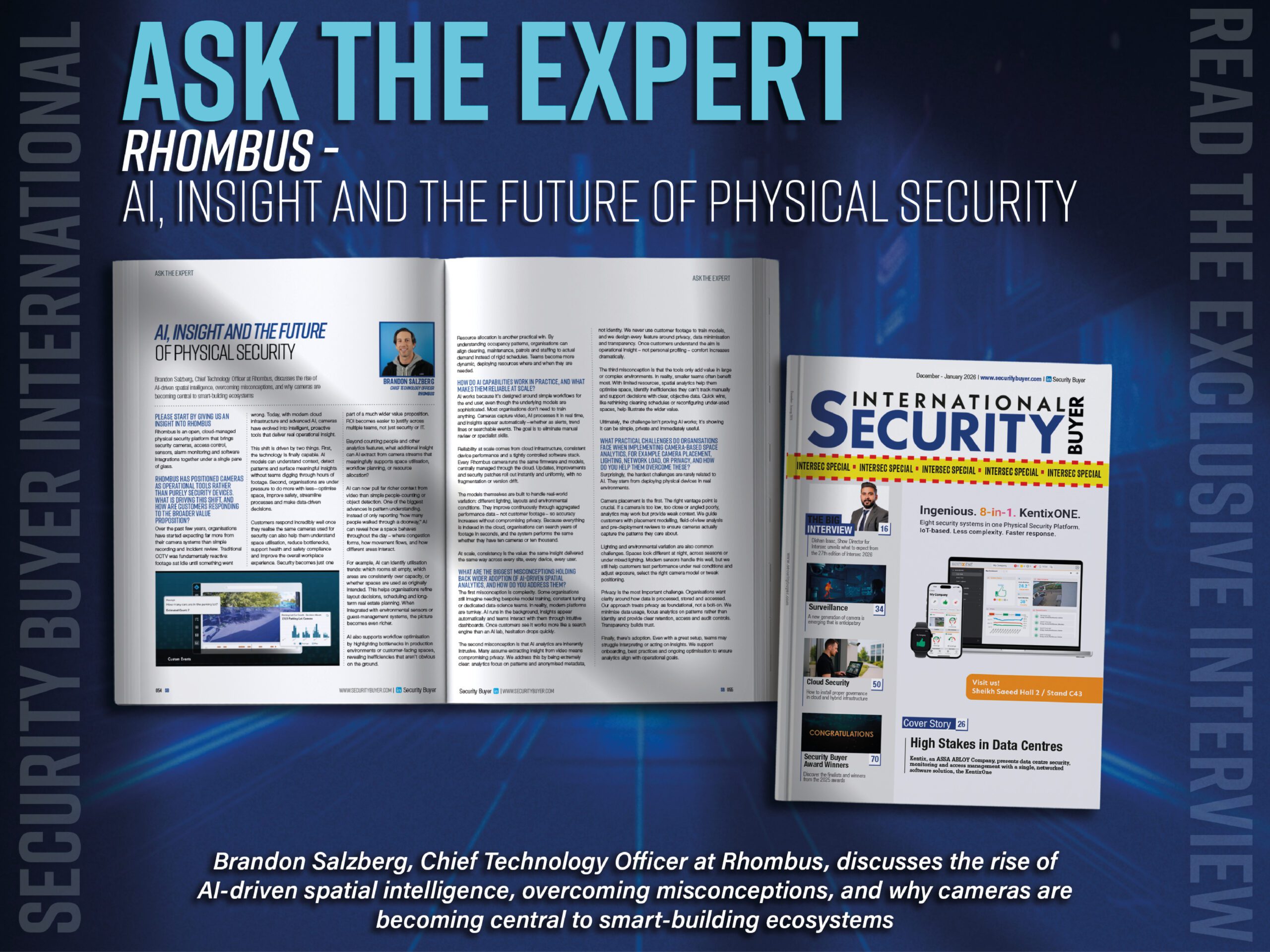

Brandon Salzberg, Chief Technology Officer at Rhombus, discusses the rise of AI-driven spatial intelligence, overcoming misconceptions, and why cameras are becoming central to smart-building ecosystems
Please start by giving us an insight into Rhombus.
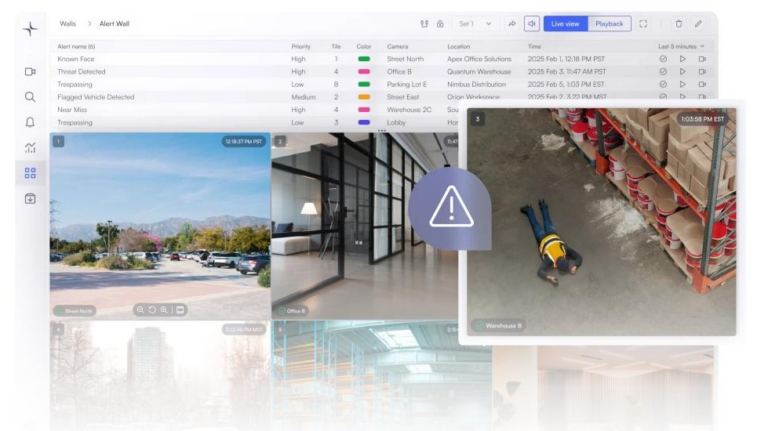
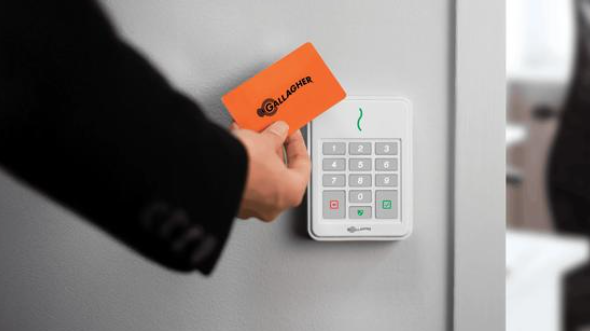
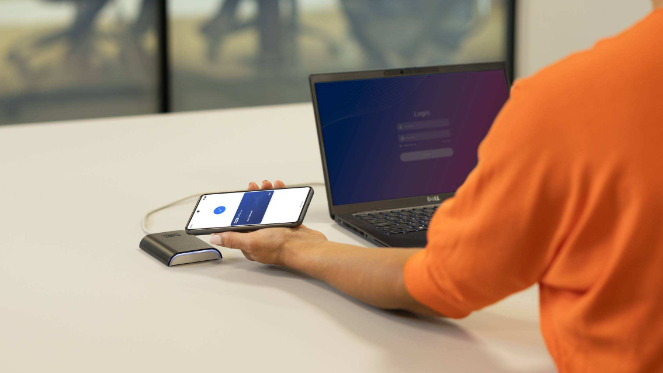
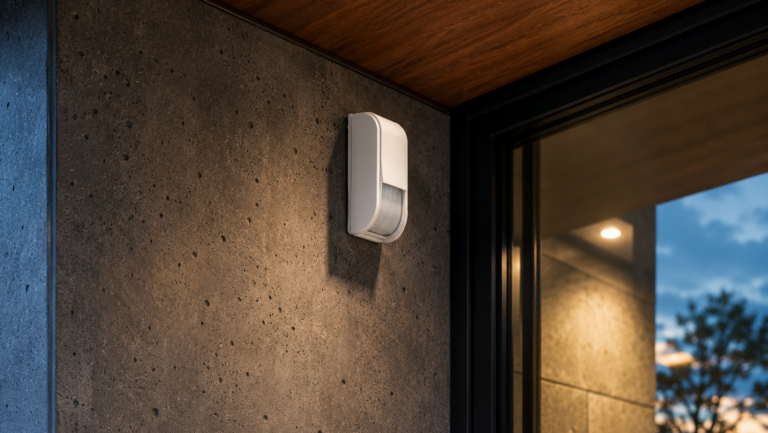
Rhombus is an open, cloud-managed physical security platform that brings security cameras, access control, sensors, alarm monitoring and software integrations together under a single pane of glass.
Rhombus has positioned cameras as operational tools rather than purely security devices. What is driving this shift, and how are customers responding to the broader value proposition?
Over the past few years, organisations have started expecting far more from their camera systems than simple recording and incident review. Traditional CCTV was fundamentally reactive: footage sat idle until something went wrong. Today, with modern cloud infrastructure and advanced AI, cameras have evolved into intelligent, proactive tools that deliver real operational insight.
This shift is driven by two things. First, the technology is finally capable. AI models can understand context, detect patterns and surface meaningful insights without teams digging through hours of footage. Second, organisations are under pressure to do more with less—optimise space, improve safety, streamline processes and make data-driven decisions.
Customers respond incredibly well once they realise the same cameras used for security can also help them understand space utilisation, reduce bottlenecks, support health and safety compliance and improve the overall workplace experience. Security becomes just one part of a much wider value proposition. ROI becomes easier to justify across multiple teams, not just security or IT.
Beyond counting people and other analytics features, what additional insight can AI extract from camera streams that meaningfully supports space utilisation, workflow planning, or resource allocation?
AI can now pull far richer context from video than simple people-counting or object detection. One of the biggest advances is pattern understanding. Instead of only reporting “how many people walked through a doorway,” AI can reveal how a space behaves throughout the day – where congestion forms, how movement flows, and how different areas interact.
For example, AI can identify utilisation trends: which rooms sit empty, which areas are consistently over capacity, or whether spaces are used as originally intended. This helps organisations refine layout decisions, scheduling and long-term real estate planning. When integrated with environmental sensors or guest-management systems, the picture becomes even richer.
AI also supports workflow optimisation by highlighting bottlenecks in production environments or customer-facing spaces, revealing inefficiencies that aren’t obvious on the ground.
Resource allocation is another practical win. By understanding occupancy patterns, organisations can align cleaning, maintenance, patrols and staffing to actual demand instead of rigid schedules. Teams become more dynamic, deploying resources where and when they are needed.
How do AI capabilities work in practice, and what makes them reliable at scale?
AI works because it’s designed around simple workflows for the end user, even though the underlying models are sophisticated. Most organisations don’t need to train anything. Cameras capture video, AI processes it in real time, and insights appear automatically—whether as alerts, trend lines or searchable events. The goal is to eliminate manual review or specialist skills.
Reliability at scale comes from cloud infrastructure, consistent device performance and a tightly controlled software stack. Every Rhombus camera runs the same firmware and models, centrally managed through the cloud. Updates, improvements and security patches roll out instantly and uniformly, with no fragmentation or version drift.
The models themselves are built to handle real-world variation: different lighting, layouts and environmental conditions. They improve continuously through aggregated performance data – not customer footage – so accuracy increases without compromising privacy. Because everything is indexed in the cloud, organisations can search years of footage in seconds, and the system performs the same whether they have ten cameras or ten thousand.
At scale, consistency is the value: the same insight delivered the same way across every site, every device, every user.