
From mobile credentials to energy harvesting locks, David Moser of ASSA ABLOY Opening Solutions discusses the future of access control across EMEA
As the security industry continues its rapid evolution, the shift from mechanical to digital access control has become more urgent than ever. Organisations across healthcare, education, commercial property, and critical infrastructure are seeking smarter, more efficient, and sustainable security solutions. In this exclusive Q&A for the Security Buyer Live Series, David Moser, Senior Vice President & Head of Digital & Access Solutions EMEA at ASSA ABLOY Opening Solutions, speaks with Rebecca Morpeth Spayne, Managing Editor of Security Buyer, to explore how emerging technologies—from mobile access and biometrics to energy-harvesting locks and modular systems—are redefining access management.
With a background in engineering and years of leadership within ASSA ABLOY, David offers rare insight into the digitalisation journey of one of the world’s leading access solution providers and what it means for system integrators, facility managers, and security professionals navigating the next phase of intelligent infrastructure.
Could you share a brief introduction to your background and your role at ASSA ABLOY Opening Solutions?
I’ve been with ASSA ABLOY for about eight years, with a background in R&D and engineering. I trained as an engineer and worked my way up through technical roles before transitioning into leadership. For the past three and a half years, I’ve led the Digital and Access Solutions team for the EMEA region, overseeing our transition to more digital-centric business models and technologies.
What trends are driving access management decisions today?
The most significant and overarching trend shaping the current access management landscape is the accelerating shift from mechanical systems to digital solutions. While this digital transition has been gradually occurring over the past decade, we are now witnessing a notable uptick in adoption velocity across both public and private sectors. This momentum is being driven by a convergence of factors—technological advancement, shifting user expectations, regulatory developments, and increased demand for data-rich operational insights.
Digital systems offer far more than just a replacement for physical keys. They represent a fundamental change in how access rights are managed, audited, and scaled. Security and facilities professionals are now looking for systems that not only provide secure entry, but also integrate seamlessly into broader building management systems, cybersecurity frameworks, and user experience platforms. This interoperability is key—it enables real-time data exchange, status monitoring, and centralised oversight across multiple sites and user groups.
Just as other industries such as finance, retail, and healthcare have embraced digital-first models, the security sector is responding to the same expectations around agility, convenience, and traceability. Access management is no longer seen purely as a hardware decision; it’s increasingly a strategic investment in digital infrastructure. Cloud-based platforms, mobile interfaces, and AI-driven analytics are reshaping how we think about entry, identity, and control. The result is a more connected, intelligent, and responsive ecosystem.
Which technologies are generating the most interest within access management?
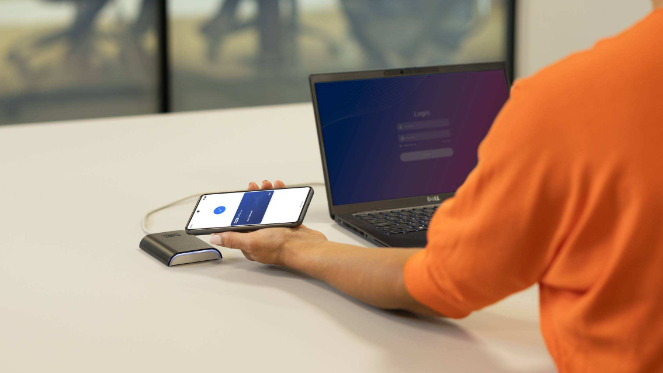
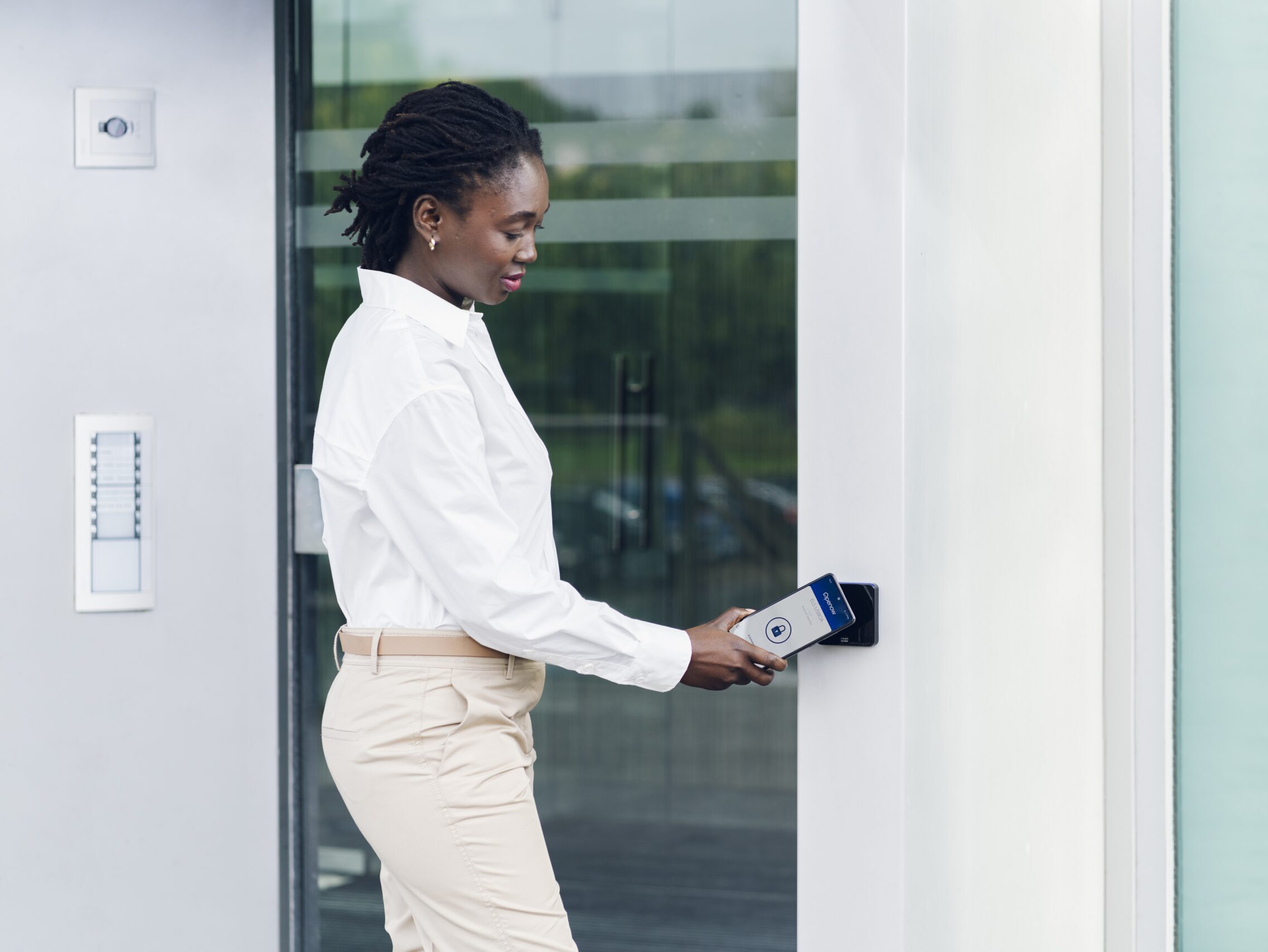
Mobile access is undoubtedly the technology garnering the most immediate attention. The widespread use of smartphones and the normalisation of digital wallets—such as those provided by Apple and Google—have created a natural entry point for mobile credentials. Users already rely on these devices for payments, boarding passes, and ID verification, so extending that functionality to physical access is both intuitive and convenient. The frictionless user experience it offers is transforming expectations around security—especially in environments such as hospitality, multi-tenant residential, and corporate campuses.
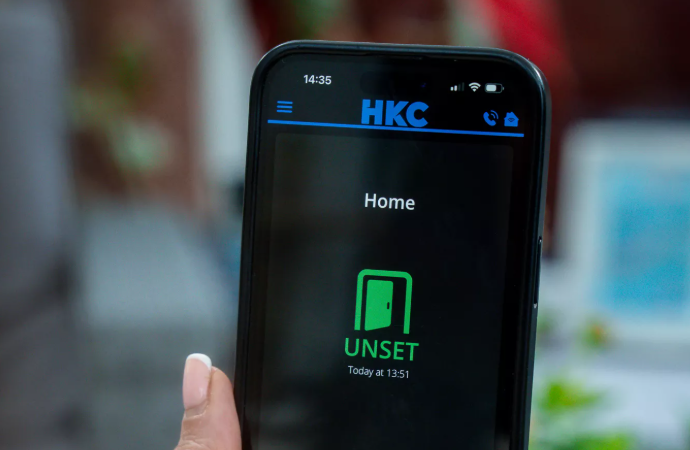
For example, in our SMARTair system, mobile credentials are integrated in a way that supports both secure entry and flexible management. Residents or tenants can use their phones to gain access, while building managers can issue or revoke credentials remotely without the logistical overhead of distributing physical cards or keys. It’s not just about convenience; it’s also a game changer for operational efficiency and user satisfaction.
Equally important is the resurgence of interest in biometric authentication. Although biometrics have existed for some time, especially on consumer devices, the adoption rate in access control systems has historically lagged behind—largely due to regulatory sensitivity and cost factors. That’s changing. Today, we’re seeing greater willingness to implement biometrics as a primary credential in sectors such as critical infrastructure, high-end residential, and sensitive commercial environments. Biometrics such as facial recognition, fingerprint, and vein scanning offer a high level of security by linking identity to a unique and non-transferable trait—making them a powerful alternative or complement to card or mobile credentials…