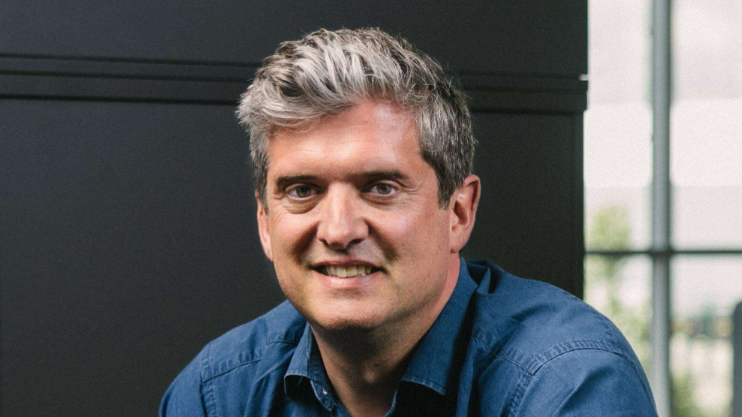



Simple techniques can help people to make better decisions at times of crisis and could benefit from integration into contingency planning, according to one expert. Cognitive neuroscience and idea generation professional Ian Moore from Unthinkable Thinking spoke to SecurityNewsDesk about the brain’s mechanisms during crisis situations.
The brain is designed for survival, to make safe, quick decisions and to do it quickly. However, according to the expert, the consequences of making a knee-jerk reaction in crisis situations can be totally wrong. It could be seen as advantageous for security professionals such as guards, planners, emergency response personnel and control room operatives to be prepared for crisis situations and aware of the intricacies of the brain’s mechanisms.
“Our brain is programmed to err on the side of safety for ourselves, not for other people, and also to do it quickly – whether it is right or wrong. In complex environments, like the society we live in, that is not true,” said Moore.
“We have got evolutionary developments which have developed some executive decision-making but most of the decision-making we do is not designed for today.”
In emergency situations the body first initiates an adrenaline response and in high adrenaline situations the logical part of the brain switches off. After the production of adrenaline ceases, Acetylcholine is produced and brings the body back to normal.
When fear kicks in and the adrenaline response initiates then you are not well-prepared to make a quality decision. In addition, when a person’s heart rate goes above 145 beats-per-minute their vision is decreased by up to 70 per cent as the body sends blood to the primary systems and to muscles rather than the brain.

The way that humans tend to perceive risk is not logically but emotionally, and risk is related to dread. In crisis situations, Moore explained, everyone will go through the three stages of stalling, deciding what to do, and doing something.
Through learning techniques to get through these stages, it then enables the person to make a better decision. Security and contingency planners could make inroads into developing effective plans by understanding the mechanisms involved.
It is natural behaviour to stall and human instinct to establish some comfort factors in a situation which we find deeply uncomfortable. In the ‘stalling’ phase you are not frightened, but in the ‘doing something’ phase the two reactions are paralysis and panic. Paralysis is more prevalent but panic is rare, and getting through the paralysis stage means you can come up with a rational strategy and dramatically improve your chance of survival.
Moore said: “In crisis situations, if you panic your decision-making is bad because you are panicking. But understanding these traits it can help you understand what people do, the people you are meant to be looking after.
“When you prepare for crisis situations you want to provide an environment where people can easily reduce the stall time. It can be very simple techniques but if you understand the psychology then you can develop those techniques fairly easily to actually make a difference.”

Doing drills means emergency responders have practised the physical input and so have the physical memory of what to do. Emergency services commonly say they ‘don’t think, just do’ and that has been honed by the hours of drills they have gone through.
Moore said: “It’s good because you don’t want somebody putting out a fire and thinking, they’re going to be hot, stressed, their heart rate will be up, vision impaired, adrenaline will be high, cortisol high – they’re going to make poor decisions.”
Simple techniques can be developed to help people clarify their thinking and overcome the hurdles the brain’s mechanism encounters in times of crisis. Through the development of these techniques, the stall process can be reduced and the thinking process increased – which in turn means better decisions can be made.
Moore cited simple measures such as breathing exercises, meditation or repetition as successful methods in combatting the brain’s chemical signals. Such a basic suggestion as taking a moment for some deep breathes can make a huge difference in managing an emergency situation.
“Fear response limits the thinking process, it may be sensible to run but most of the time in complex situations in our society today it is probably better to take a deep breath, think about what you’re going to do, get over the stalling, get over the delaying and do something rational, even if it is wrong. If it is wrong you might die, if you don’t do anything you will,” stated the expert.
“Go with gut instinct or spend some more time thinking and make a decision in a cool environment. So take 30 seconds to make that decision as 30 seconds is not going to make a difference.”
Links
www.unthinkablethinking.com