

Rebecca Spayne analyses how next-generation security technologies are transforming hospitality—securing guests, staff, and assets
In the hospitality sector, security must operate differently. Unlike commercial or industrial sites where deterrence and visibility are often paramount, hotel security must be near-invisible—delivering protection without compromising aesthetics, comfort, or guest privacy. As hotels adopt more connected and flexible models of operation—from smart rooms to coworking spaces—security systems are increasingly expected to be intelligent, adaptive, and fully integrated into the guest experience.
Modern hospitality security now extends far beyond mechanical door locks and corridor cameras. It spans identity management at check-in, staff safety protocols, controlled access to back-of-house areas, smart room occupancy sensors, and even discreet liability mitigation in public spaces. These systems must interact seamlessly with property management software, guest mobile apps, and operational infrastructure—creating an ecosystem where risk is managed without friction.
As a result, the role of security technologies has evolved from back-end infrastructure to a service-enabling layer—facilitating smooth operations, safeguarding brand reputation, and enhancing overall trust. Manufacturers are leading this shift, developing security platforms that not only secure physical assets but also integrate with hotel booking engines and mobile credential systems to support intuitive, guest-led access experiences.
In today’s competitive hospitality market, security is no longer a silent partner—it is a differentiator.
Beyond the Keycard
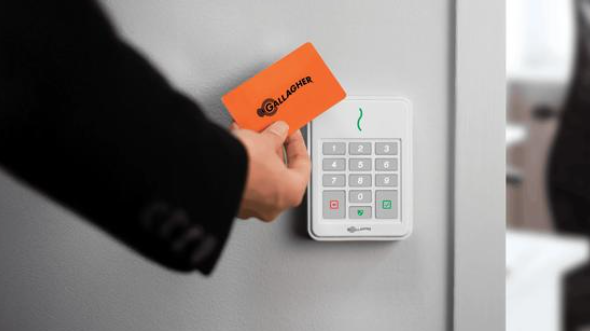
For decades, the plastic keycard has served as the de facto standard for hotel room access. While functional, it offers limited flexibility, inconsistent security, and poor integration with the digital expectations of modern guests. Today, hotels are increasingly shifting toward identity-based access control, where guest verification and room authorisation are tied to digital identities—often managed via mobile devices, cloud-based platforms, or biometric interfaces.
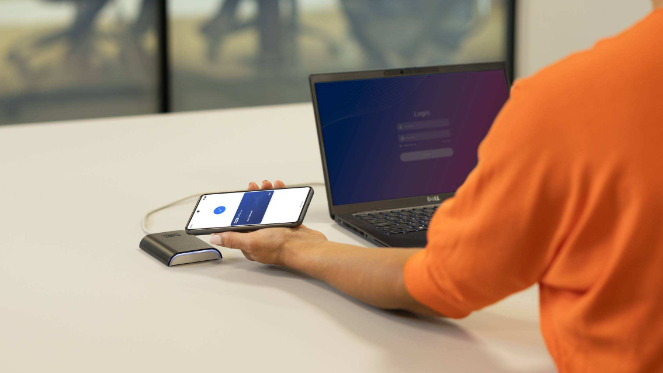
This evolution is most evident in the deployment of mobile access credentials. Guests now expect to use their smartphones not only to book and check in, but also to unlock their rooms, access amenities, and request services—all without queuing at reception. Manufacturers such as ASSA ABLOY Opening Solutions have responded with mobile key solutions built on Seos® digital credential technology. These systems allow encrypted, time-restricted access rights to be delivered directly to a guest’s mobile app and seamlessly integrated into the hotel’s Property Management System (PMS).
OpenKey, a digital key platform used by boutique and mid-size chains, allows hotels to send secure room access credentials by SMS or app interface, while masking room numbers for added privacy. It can also interface with OTA (Online Travel Agency) booking systems—streamlining access even further and reducing front desk contact.
dormakaba offers BLE-enabled locks that combine mobile and RFID access, enabling guests to unlock doors through an app or smartwatch. Additionally, room numbers can be anonymised during issuance, a feature that enhances personal safety during check-in at kiosks or late-night arrivals.
Beyond convenience, these systems enable fine-grained audit trails, helping hotel security teams verify access patterns in the event of a dispute or incident. As hotels seek to merge operational efficiency with a personalised guest experience, secure identity management has become a cornerstone of modern hospitality infrastructure.
Staff, Contractor & Back-of-House Security
While guest-facing areas demand subtlety, the operational backbone of any hotel—its staff entrances, storage zones, maintenance corridors, and service rooms—requires a more stringent and auditable approach to access control. These areas house critical infrastructure, valuable inventory, and confidential records. Poor control over who can enter them, when, and with what equipment can lead to loss, liability, or operational compromise.
Key and equipment management plays a central role in maintaining access discipline across shift-based and multi-role staffing models. Traka, part of ASSA ABLOY Group, provides electronic key cabinets and intelligent locker systems tailored for hospitality use. These systems assign access to specific personnel via biometric, RFID, or PIN authentication—automatically logging time of access, item retrieval, and return. This eliminates reliance on manual sign-outs, reduces key loss, and ensures that high-value assets (e.g. master keys, radios, cleaning kits) are traceable at all times.
For hotels with high staff turnover or numerous external contractors—such as laundry services, facilities engineers, or event crews—Vecos offers smart locker systems that integrate with HR or contractor scheduling tools. These allow timed, temporary access to lockers or storage zones, with credentials expiring at the end of a shift or assignment.
Room-level monitoring is also gaining traction, especially in luxury or high-occupancy hotels. Zennio provides presence detection and access alerts in staff-only areas such as IT closets, maintenance risers, or private staff corridors. These systems can send automated notifications if a door is opened out of hours or remains ajar—enhancing both security and operational awareness.
By implementing zoned, auditable access management, hospitality operators can prevent unauthorised movement, ensure contractor accountability, and improve staff safety—all while maintaining the discretion required in a guest-sensitive environment…