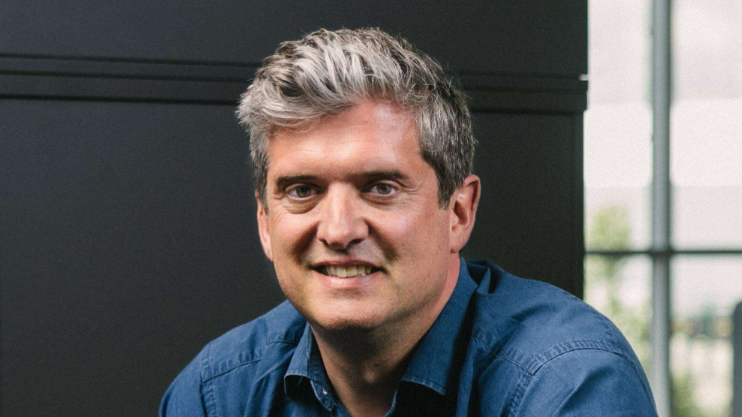


Pride is not simply a celebration. It is a statement of leadership, courage and action. In 2026, that call to action is needed more than ever, writes Satia Rai, CEO of IPSA.
In 2022, as CEO of the International Professional Security Association (IPSA), I took a step that I knew would matter. I brought the private security sector together at Pride in London. It was more than a march; it was a statement that an industry dedicated to protecting people, communities and society should also stand visibly and proudly with the LGBTQ+ community.
The history of private security in Britain stretches back more than 160 years, with the first private security company established in 1859. Yet it was only in 2022 that the sector came together collectively at Pride in London for the first time. That moment marked an important milestone, but more importantly, it marked the beginning of a movement. Making history is one achievement; creating lasting change is another, and that has remained my focus ever since.
Why Visibility Matters
For me, this journey has always been deeply personal. I am a proud gay Sikh woman, but it took me 25 years to come out in the workplace. Twenty-five years is a long time to spend hiding a part of yourself, wondering whether being authentic might affect your career or your opportunities.
That experience has shaped both my leadership and my determination to create something different for the next generation. I do not want anyone entering our profession to question whether they belong, or to feel they must choose between being themselves and progressing in their career. Representation matters because seeing someone who shares your experiences in a leadership position can change what you believe is possible for yourself.
That is why visibility is so important. It is not about creating a single Pride moment that disappears when the flags come down. It is about changing the culture of our profession so LGBTQ+ people never feel they have to hide who they are to build successful careers. Inclusion should be something people experience every day, not simply something organisations write into policies.
An equally important part of that journey is ensuring we preserve the stories of those who have helped shape our profession. Across the security industry are LGBTQ+ professionals whose courage, resilience and leadership deserve to be recognised. Their experiences should become part of our shared history, inspiring those who follow and demonstrating that our profession is stronger when everyone has the opportunity to contribute openly and authentically.
Our own stories, however, are built on the courage of those who came before us. I have been fortunate enough to meet Peter Tatchell and Lord Michael Cashman, whose activism helped transform the fight for LGBTQ+ equality. Their willingness to challenge discrimination, often at significant personal cost, changed institutions, influenced public attitudes and advanced human rights. The progress many of us benefit from today was not simply given; it was earned through decades of determination and courage.
Leadership Beyond Pride
Leadership is not tested when everyone agrees with you. It is tested when they do not.
Throughout this journey there have been difficult conversations, moments of resistance and criticism, and times when stepping back would have been the easier option. However, meaningful change rarely comes without challenge. Those experiences have strengthened my resolve and reinforced a simple belief: if you genuinely believe in the change you are trying to create, you cannot allow discomfort to become an excuse for inaction. Sometimes you have to be prepared to stand alone before others are willing to stand beside you. That, to me, is what leadership truly means. It is not about choosing the easiest path, but the right one.
That leadership is still needed today. There can be a dangerous assumption that LGBTQ+ equality has already been achieved, but the evidence tells us otherwise. Stonewall research found that 39 per cent of LGBTQ+ employees in the UK still feel the need to hide their identity at work, while 36 per cent have heard discriminatory comments about LGBTQ+ people in the workplace. Meanwhile, police in England and Wales recorded 18,702 sexual orientation hate crimes in the year ending March 2025. Behind every statistic is a person questioning whether it is safe to be themselves, whether to challenge discriminatory behaviour or whether they truly belong within their profession.
This is why Pride continues to matter, and why it matters to the security profession. Security has always been about protecting people. Whether we work in workplaces, public venues, transport hubs, critical infrastructure or local communities, our responsibility extends beyond safeguarding physical spaces. We must also create environments where people feel respected, valued and able to contribute without fear of discrimination.
That means building inclusive recruitment practices, supporting meaningful career progression, listening to lived experiences and ensuring leaders actively challenge discrimination whenever it occurs. Inclusion is not measured by a statement on a website or a rainbow logo during Pride month. It is measured by the everyday experiences of the people who work within our organisations and by whether they genuinely feel safe enough to be themselves.
Building a Lasting Legacy
What began in 2022 became a catalyst for wider change. We created visibility, opened conversations and demonstrated that the private security sector could stand proudly alongside the LGBTQ+ community. But this has never been the work of one person alone. It has been made possible by the commitment of the Security Industry Pride Committee and the many volunteers from across our profession who have given their time, expertise and enthusiasm to turn an idea into a lasting movement. Their willingness to work across organisations, businesses and professional backgrounds has shown what can be achieved when purpose is placed ahead of difference.
For me, success has never been measured by how many people attend a Pride march. A march is powerful, a rainbow logo is visible and a public statement can amplify an important message, but inclusion is ultimately measured by what happens during the other 364 days of the year. It is reflected in who gets heard, who is recruited, who is promoted and who feels safe enough to be themselves at work. That is where organisational culture is shaped, and where leadership is truly tested.
My message to the security industry is simple: do not simply march – act. Leaders must examine their culture. Employers must listen to their people. Allies must use their voices to challenge discrimination whenever they encounter it. And to every LGBTQ+ professional working across our industry, never believe that your identity makes you any less capable of leading. Our differences strengthen the profession and help it better reflect the diverse communities we are entrusted to protect.
I want the next generation of security professionals to inherit an industry where nobody has to choose between authenticity and ambition; where people can enter, progress and lead based on their ability, and where inclusion is recognised as a strength rather than an aspiration. I also want them to understand the journey that brought us here and to recognise those who fought for the progress we enjoy today. Every generation has a responsibility to build on that legacy and leave the profession stronger than it found it.
Progress cannot be taken for granted. It must be protected, defended and continuously advanced. Pride is bigger than one march, one organisation or one generation. It is a commitment to ensuring that everyone has the opportunity to belong, to contribute and to lead. That remains my vision for our profession: a modern security industry where everyone is respected, everyone is protected and everyone has the opportunity to succeed. It is a future worth continuing to build together.