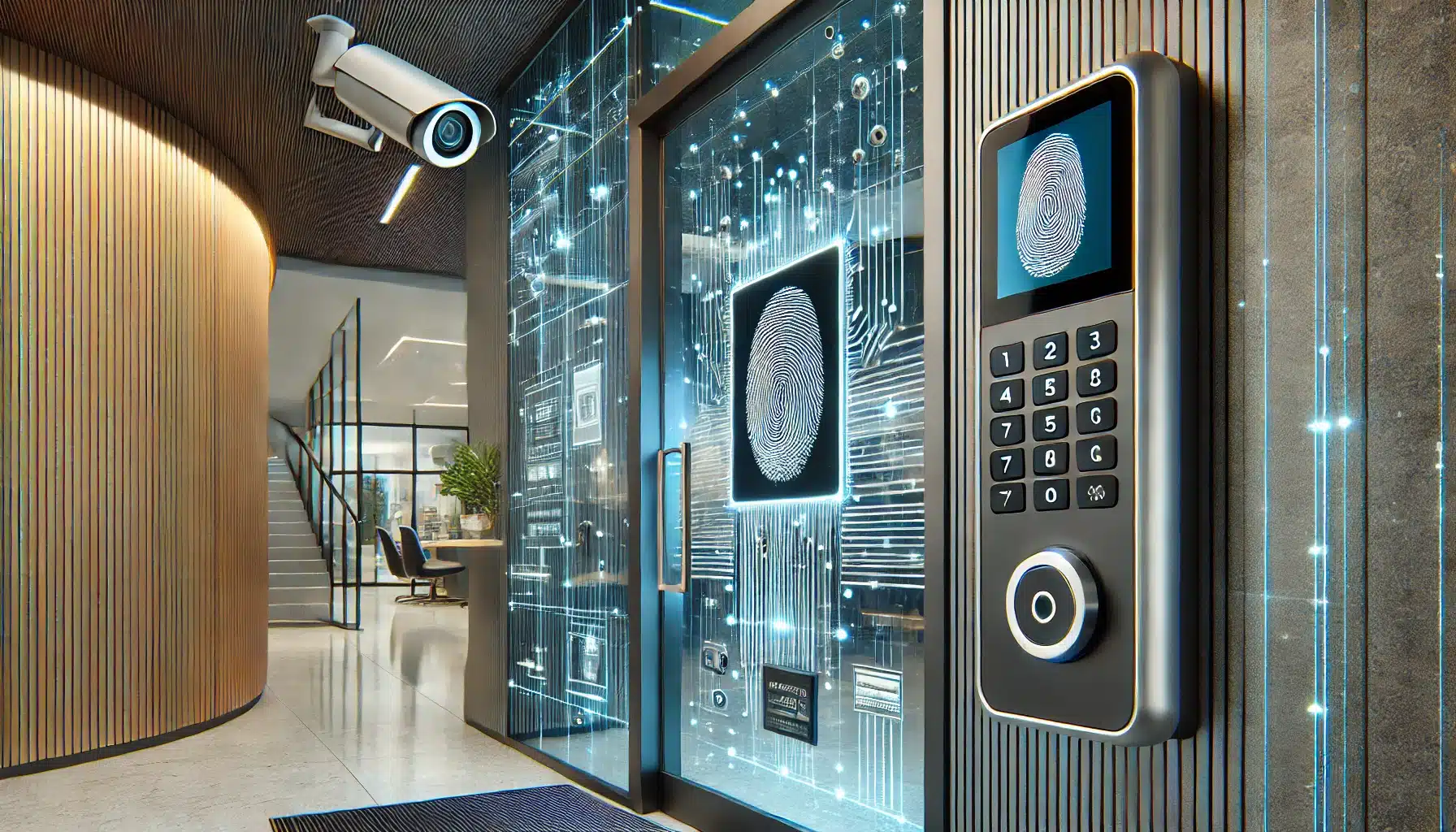

In today’s security-conscious world, businesses cannot afford to leave entry points unprotected. Whether it’s a corporate office, a data center, or a high-security facility, controlling who gets in—and when—is critical to protecting assets, people, and sensitive information.
If you’ve ever swiped a card, scanned a fingerprint, or entered a PIN to gain access to a building, you’ve interacted with access control. But what exactly is an access control entry, and why does it matter more than ever in 2025?
Let’s break it down.
What Is an Access Control Entry?
An access control entry refers to an event where a user gains or attempts to gain entry to a secured area using an access control system. This could be a physical action—like swiping an access card—or a digital one, such as biometric authentication or mobile credentials.
Access control is the first line of defense in physical security. Whether you’re securing a commercial building, a restricted lab, or an industrial facility, an access control system ensures that only authorized personnel can enter specific locations.
But access control isn’t just about letting people in—it also tracks movements, restricts access to high-risk zones, and even integrates with emergency lockdown systems when threats arise.
The Different Types of Access Control
Access control comes in various forms, each suited for different security needs. From traditional locks to AI-driven biometrics, the evolution of access control has transformed the way businesses protect their premises.
1️⃣ Mechanical Access Control – The Traditional Lock and Key 🔑
Before technology took over, security was as simple as a lock and key. While still used today, mechanical locks have limitations:
✔ No digital tracking
✔ Keys can be copied, lost, or stolen
✔ No ability to remotely revoke access
However, mechanical locks remain a low-cost and reliable solution for non-critical access points.
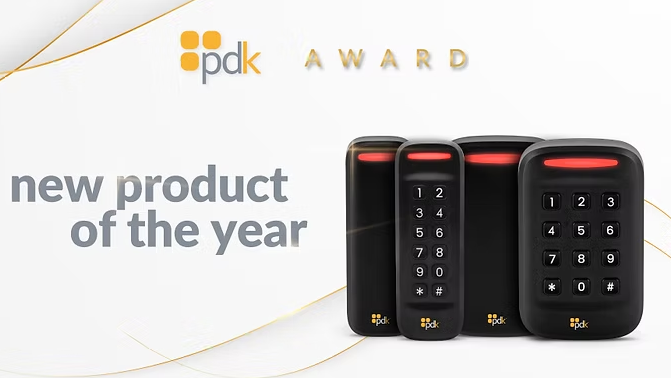
2️⃣ Digital Keypad and PIN-Based Entry – The Simple Upgrade 🔢
Digital PIN pads are a step up from mechanical locks, allowing businesses to provide keyless access to employees and authorized visitors.
✔ PINs can be easily changed
✔ No need for physical keys
✔ Affordable and widely used
But there’s a downside—PINs can be shared or forgotten, making them vulnerable to security breaches.
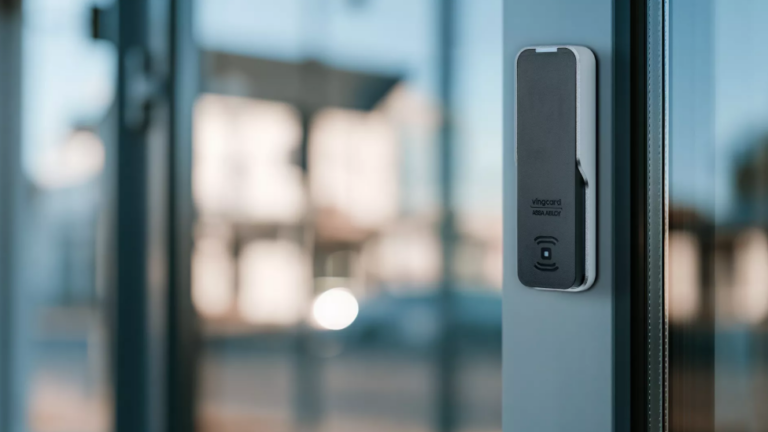
3️⃣ RFID & Smart Card Access – The Corporate Standard 🏢
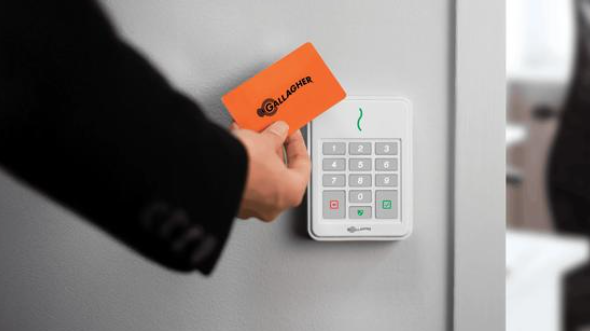
Radio Frequency Identification (RFID) and smart card access systems are among the most widely used in office buildings, hospitals, and industrial sites.
✔ Easy to use—just tap or swipe
✔ Can store multiple access credentials
✔ Can be integrated with time-tracking systems
However, card cloning is a growing security risk, leading businesses to explore more secure options like mobile credentials and biometrics.
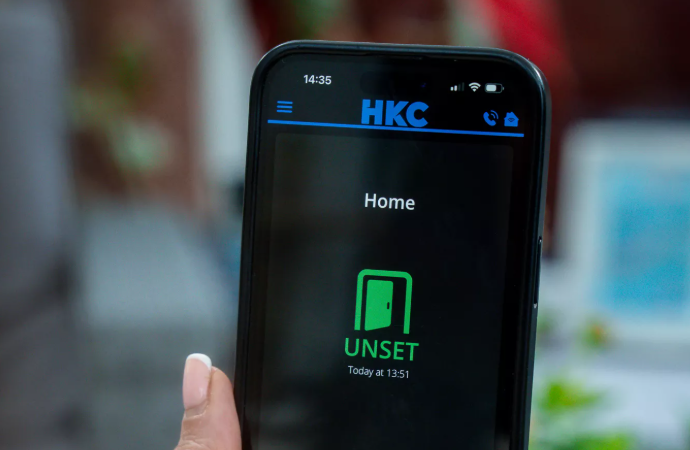
4️⃣ Mobile Access Control – Your Smartphone Is the Key 📱
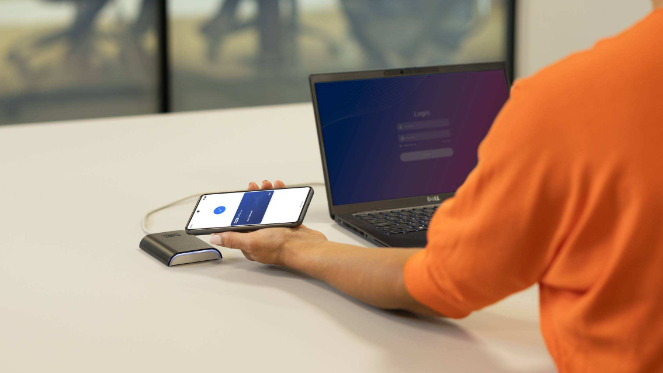
In the age of digital transformation, businesses are ditching traditional access cards in favor of mobile credentials. Using Bluetooth, NFC, or cloud-based authentication, employees can unlock doors using their smartphones.
✔ More secure than key cards
✔ Can be remotely revoked
✔ Integrates with workplace management systems
This approach also enhances convenience, eliminating the need for employees to carry physical cards that can be lost or stolen.
5️⃣ Biometric Access Control – The Future of Security 🛑👁
Biometric authentication has revolutionized access control by adding an extra layer of security. Instead of relying on something you know (PIN) or have (key card), biometrics use who you are to verify access.
✔ Fingerprint scanners – Common in corporate offices and data centers
✔ Facial recognition – Gaining traction in high-security industries
✔ Iris scanning – Used in government and military applications
Biometric security is almost impossible to fake, making it one of the most secure access control solutions today. However, privacy concerns and cybersecurity risks (like biometric data leaks) remain a hot topic.
6️⃣ Multi-Factor Authentication (MFA) & AI-Driven Access – The Next Level 🔐
For ultra-secure facilities, a multi-layered approach is necessary. Multi-factor authentication (MFA) combines:
✔ A password or PIN (something you know)
✔ A physical token or card (something you have)
✔ Biometric verification (something you are)
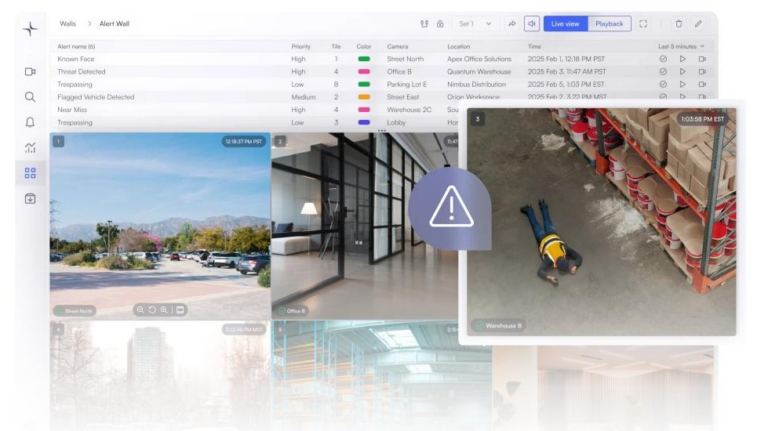
AI-powered access control systems are now leveraging real-time facial recognition, behavior analytics, and threat detection to identify unauthorized individuals before they even attempt an entry.
Why Is Access Control Critical for Security?
Access control reduces the risk of break-ins, internal theft, and corporate espionage. By setting clear access permissions, companies can prevent unauthorized individuals from entering sensitive areas. Modern systems keep real-time logs of entry and exit attempts. This is crucial for compliance, investigations, and emergency responses.
In the event of an emergency—such as an active threat, fire, or lockdown—access control systems can automatically secure all entry points, preventing intruders from moving through the building.
Industries like finance, healthcare, and government have strict access control regulations. Failing to comply can result in hefty fines or data breaches.
The Future of Access Control – What’s Next?
- AI & Machine Learning – AI-driven security systems will analyze patterns and predict potential security breaches before they happen.
- Cloud-Based Access Control – More businesses are moving access management to the cloud, allowing for remote monitoring and real-time updates.
- Blockchain for Identity Management – Some security firms are experimenting with blockchain-based credentials, reducing identity fraud risks.
- Touchless & Frictionless Entry – As hygiene concerns grow, touchless systems using voice recognition, facial authentication, or mobile app integration are becoming the norm.
Is Your Business Secure?
Whether you’re a small business owner or a security manager at a large enterprise, investing in the right access control system is no longer optional—it’s a necessity.
As technology advances, access control is shifting from simple locks and keys to AI-powered, cloud-based, biometric-driven solutions. The question isn’t if you need an access control strategy—it’s how secure is your current one?
Are you ready to level up your security?
Read more exclusives and news in our latest issue here.
Never miss a story… Follow us on:
LinkedIn: Security Buyer
Twitter (X): @SecurityBuyer
Facebook: @Secbuyer
Media Contact
Rebecca Morpeth Spayne,
Editor, Security Portfolio
Tel: +44 (0) 1622 823 922
Email: [email protected]