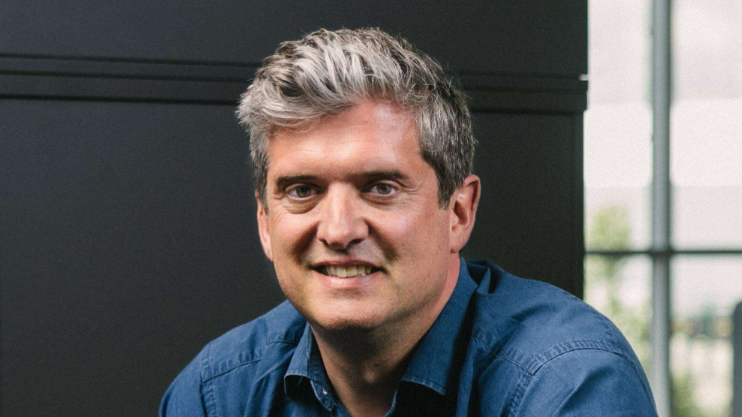

Garrett Larsson, Co-Founder and CEO of Rhombus Systems, explores how cloud, AI, and integration are transforming physical security
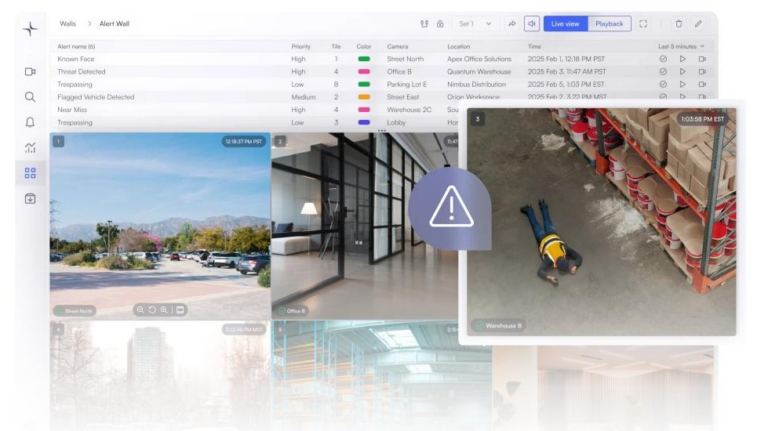
Hours manually reviewing security footage to investigate a single incident, only to miss crucial details buried in vast amounts of data.
Switching between multiple systems and dashboards just to piece together a—hopefully—complete picture of what happened.
Requiring specialised IT support for even basic system adjustments, causing delays in implementing urgent security updates.
With Rhombus deployed within organisations ranging from Fortune 500 enterprises to local school districts, we’ve observed a common thread: while the desire for transformation is clear, many teams still need guidance on how to execute this change effectively and sustainably. This insight is particularly evident in our State of Modern Physical Security report, where 70% of security professionals now rank ease of use as their top priority, above traditional concerns like feature sets or hardware specifications. Changing priorities signals a broader transformation in what organisations want from their physical security systems—and how solutions are evolving to meet that demand.
Based on a comprehensive survey of hundreds of physical security professionals, the industry is at a pivotal moment. The era of siloed security systems and complex management interfaces is giving way to a new model driven by cloud connectivity, artificial intelligence, and unified platforms. This evolution is particularly evident in the growing demand for cloud-managed solutions across global markets, which is why Rhombus has been investing deeply in the UK and European market.
As organisations reimagine their security operations for 2025 and beyond, several key trends are emerging that will reshape every aspect of physical security, from daily operations to long-term strategic planning:
Usability drives innovation
The shift away from complex, specialist-oriented systems is a fundamental change in how physical security is developed and deployed. Today’s solutions are increasingly designed with the end user experience in mind—incorporating intuitive interfaces and automated workflows that eliminate the need for specialised IT knowledge. This emphasis on UX is spurring innovations in areas like natural language processing for security investigations and automated event detection, allowing teams to work more efficiently and respond faster to incidents.
But the impact extends beyond just ease of use. When security systems become more accessible to team members at all technical levels, organisations can better distribute security responsibilities and improve overall operational efficiency. Modern platforms are enabling security teams to spend less time managing systems and more time focusing on their core mission: protecting their people, their assets, and their facilities.
Physical and cyber security are no longer separate domains
The distinction between physical and cyber security is rapidly dissolving. With over three-quarters (77%) of security professionals rating cybersecurity as a high or very high priority, it’s clear that organisations (at least those businesses with a physical footprint) can no longer treat the two as separate concerns. The rise of cloud-based physical security solutions and powerful IoT sensors has created an environment where physical security systems are essentially cyber assets, requiring the same level of protection as any other critical network infrastructure.
This convergence is driving the development of more comprehensive security and holistic approaches. Modern systems now incorporate enterprise-grade protections like end-to-end encryption, mutual authentication, and man-in-the-middle attack prevention as standard features rather than optional add-ons. The focus has shifted from simply securing physical spaces to protecting the entire security infrastructure, from cameras and sensors to the data they collect and transmit.
Cloud adoption reshapes security infrastructure
Nearly 60% of security professionals surveyed now prefer cloud-based security solutions over traditional on-premises systems—yet only 40% have made the transition to a predominantly cloud-based setup. Clearly, the gap between aspiration and implementation points to a transformative period ahead for the industry.
This accelerating demand for cloud-managed security solutions is reshaping the market landscape quickly, particularly in Europe. The recent opening of Rhombus’ London office in Clerkenwell’s tech district exemplifies this trend, as providers invest in and expand their regional presence to better support transitions to cloud-managed security infrastructure. This shift is arguably especially significant for European organisations navigating complex regulatory requirements.
The power of platform unification
The biggest value of cloud adoption becomes clear when considering its role in unifying security operations. Nearly two-thirds (65%) of security professionals now rate platform consolidation as highly important—a clear mandate for change from organisations still struggling with fragmented security systems.
The drive toward unified platforms isn’t just about convenience, though. Organisations want to transform how quickly and thoroughly they can solve problems, bringing together video surveillance, access control, environmental sensors, and alarm systems into a single, cohesive interface. For multinational enterprises or organisations with complex multi-site operations, transitioning to a unified approach delivers centralised control while maintaining the flexibility to manage location-specific requirements. The result is not just streamlined operations, but faster response times and more effective security management overall.
At Rhombus, our focus on unification doesn’t mean organisations must rip and replace their existing security infrastructure. In fact, the most successful cloud transitions often take a methodical, phased approach that preserves trusted components while adding new capabilities. That’s why from day one, Rhombus decided to design our platform with open integration in mind, enabling native compatibility with established access control providers like Brivo, Kisi, and Genea, smart sensors from HALO, and AI analytics vendors such as Lumeo. This approach allows organisations to maintain continuity with systems they trust while layering on advanced capabilities.
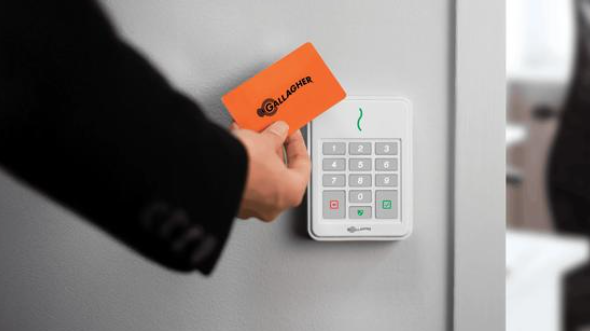
The full power of this integration-first approach becomes clear when considering how AI analytics can transform existing security infrastructure. For instance, when traditional access control systems are connected with intelligent video analytics, organisations can automatically verify badge credentials against facial recognition, detecting potential security issues like tailgating or credential sharing. Environmental sensors can trigger automated responses across multiple systems, from adjusting building controls to initiating security protocols. These integrations create a multiplier effect, where each component of the security system becomes more valuable as part of the connected whole.
Read the full Cover Story in the latest issue here