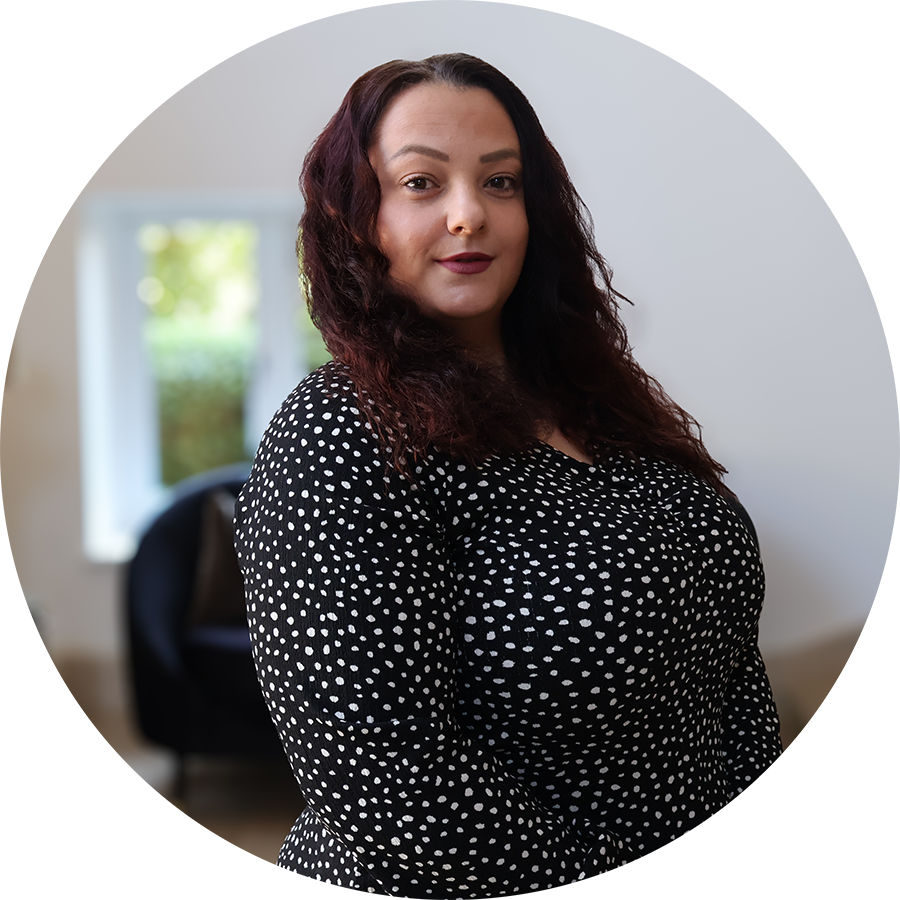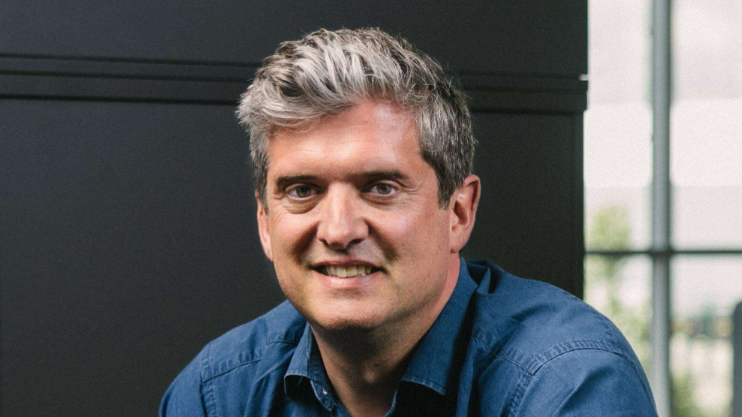


Bonnie Butlin, Co-Founder & Executive Director, Security Partners’ Forum (SPF) and Security Buyer Awards Winner took part in our Into the Cloud for our February issue.
What does ‘security’ mean to you?
Security for me is ultimately about an end result – how I feel about my family, home and community, country and stability in the world/international relations (local through grand-strategic).
There are so many disciplines within security that have to come together and interact to allow people to feel safe and enable them to live productive and fulfilling lives. Security operates in a dynamic landscape, with new disciplines emerging and the balance and priority of security disciplines and issues changing over time with the circumstances. Understanding this dynamic in real time is key to achieving a result that works for people.
What is one thing you would change about the industry?
I would like to see security as a profession improve on a human resources front and improve on today’s recruitment models. There are continuing mismatches between labour supply and demand, issues with recruitment and retention, burn-out, salary levels, training and continually re-training and upskilling the workforce.
and enabling and even striving for long-run, stable careers in security. Long-run career pathways seem more opaque and elusive than ever – particularly in a difficult economy.
Ageism is a growing problem, and is likely to get worse with technological change, disrupted workforces, and as employment gaps become more common and pronounced, and career pivots and changes more challenging in tough economies.
These issues are particularly important in the security sector, where credibility builds through experience over time, and familiar entities are preferred; however, a broad range of experiences and perspectives are also key to balanced approaches and results for people and communities.
What is the biggest trend you see today?
Keeping the trust and confidence of our populations is a key issue for the security sector. Both the public and security professionals need transparency and accountability from leadership, organisations and systems.
Narrative and message control are driving political systems, organizations and leadership to an extent not seen in recent memory. Especially in the security profession, transparency, accountability, and lessons learned are key to improving security for our communities and societies. Politicized and opaque, low (public) information operating environments – despite living in high information societies – are deeply challenging and risk damaging the credibility of leaders, organizations and the security profession, the morale of personnel, and the trust and confidence of the public.
Who is sitting at your dream dinner table?
Conversations with practitioners across a range of fields and disciplines are some of my favorites. It is an opportunity to ask them about how they came to work in their professions (and its often by accident or unexpected circumstances).
and what it is like working in their professions from an individual and community-member perspective. I am often surprised by their experiences and interpretations.
What advice would you give your younger self?
I came to the profession later in life, as I was raising young children, and I felt a lot of pressure to hurry and catch up with my career. Starting late meant having to prove myself without the same hands-on experience, or years of experience, as others from my cohort. If I could go back and give advice to myself, first, it would be to relax a bit more about staying on track with a fixed career path and timeline
I was considered a returning/mature student when I got my master’s degree, and my specialties were at the strategic and grand-strategic levels. This combined with creating an agile security network that took off internationally, resulted in an unconventional career trajectory – starting at the strategic top and working down to gain expertise within specific security disciplines, including at other strategic levels.
If I could go back and give advice to myself, first, it would be to relax a bit more about staying on track with a fixed career path and timeline, as so much of my trajectory was unexpected and ‘in reverse’, and the security landscape evolved much faster and differently than I could have foreseen. Second, I would still strongly encourage learning from those with more experience in security and focussing on the science and art of professional security – both of which have served me well.
What’s your favorite way to spend a weekend?
I like to go on road trips in the countryside and explore rural communities. Driving through vast landscapes is a source of calm reflection for me.
What three traits define you?
Being curious about what I observe in daily life and how society works, being analytical, and being persistent.
What’s the most interesting thing about you that we wouldn’t learn from your CV?
In another life, I would have been a fine furniture maker. I have always been fascinated with architecture, historic homes, furnishings, design with organic materials (especially woods, metals and ironwork), and quality textiles.
What’s your approach to change? Do you like change?
I lead an agile security network – the security landscape and agile network overlay are always changing and evolving. Understanding the change is key, but so is controlling or at least managing the scale and pace of change, otherwise structures and processes become brittle and problematic for people. Focussing on how change affects people is key for me, particularly when it comes to rapid changes in and mass deployment of technology.
Do you have a creative outlet?
I like vegetable and herb gardening and cooking.
Where do you see yourself in 5 years?
I am a security and strategic analyst at heart, and love what I do. No matter what role I am in, I think it will always be a part of what I do and how I think, see, and interpret the world. With so many disciplines in security, there is always something new to explore and additional nuance to consider.